South China Sea code of conduct: progress announced, political questions still open
The Philippines and Malaysia report progress in ASEAN–China negotiations. Their percentages concern the text under discussion, while unresolved issues require political decisions.
At a glance
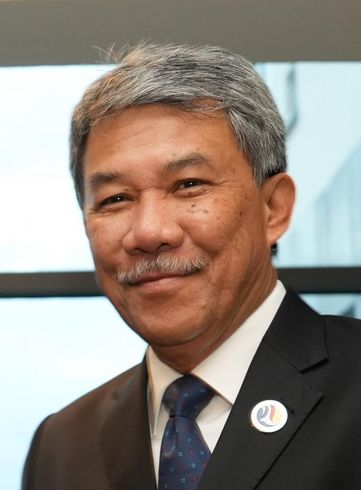
On 14 November, Philippine Foreign Secretary Ma. Theresa Lazaro said 80 per cent of the negotiating document had been completed. Her Malaysian counterpart, Mohamad Hasan, spoke of almost 90 per cent of terms and paragraphs being agreed. Neither statement establishes that the code has been adopted or measures how easily the remaining issues can be resolved.
Frequently asked questions
Has the ASEAN–China code of conduct been approved?
On 14 November, Philippine Foreign Secretary Ma. Theresa Lazaro said 80 per cent of the negotiating document had been completed. Her Malaysian counterpart, Mohamad Hasan, spoke of almost 90 per cent of terms and paragraphs being agreed. Neither statement establishes that the code has been adopted or measures how easily the remaining issues can be resolved.
Is this claim confirmed: The negotiating text is reportedly 80% or nearly 90% complete?
GMA and Bernama report differing official estimates, 80% and nearly 90%. The negotiating text was not verified: no concluded agreement. GMA's photo is from 9 March 2023.
What issues remain open in the code of conduct?
According to the Malaysian report, negotiations must address the code’s legal status, geographical scope and relationship to the 2002 Declaration on the Conduct of Parties. Malaysia, which coordinates ASEAN–China relations, aims to bring positions closer and conclude the process within the year. [2]
Two percentages, one unfinished negotiation
Lazaro gave her update at a press conference in Pasay City, according to GMA News reporter Mariel Celine Serquiña. She described accelerated progress and completed sections, while acknowledging important outstanding points and further discussions. GMA also reports the Philippine presidency’s hope of concluding the process during its ASEAN chairmanship. This is a political objective, not the announcement of a signature. [1]
Bernama’s account, published by Malay Mail, reports a different assessment by Mohamad Hasan in Manila the same day. Malaysia’s foreign minister said almost 90 per cent of terms, paragraphs and wording had been agreed, but stressed the need for political decisions on the remaining questions. [2]
We do not have a negotiating draft that would allow us to reproduce those calculations. We therefore cannot choose one percentage as the “true” measurement or average the two. The ministers are describing the negotiations: the amount of agreed text and the political weight of unresolved sections are different measures.
The issues beyond the numbers
According to the Malaysian report, negotiations must address the code’s legal status, geographical scope and relationship to the 2002 Declaration on the Conduct of Parties. Malaysia, which coordinates ASEAN–China relations, aims to bring positions closer and conclude the process within the year. [2]
These issues explain why a nearly complete text may remain politically unfinished. Deciding which waters are covered and what force commitments carry is not the same as polishing wording. Assessing the outcome will require reading the actual agreement, not just comparing completed and outstanding paragraphs.
GMA notes that the territorial disputes involve China and Taiwan, and four ASEAN members: the Philippines, Malaysia, Vietnam and Brunei. It describes the code as an attempt to prevent incidents and disputes escalating into wider conflict. That is its purpose, not proof that the negotiations have already removed tensions at sea. [1]
A process rooted in the 2002 declaration
The Declaration on the Conduct of Parties was signed on 4 November 2002. Twenty years later, in a joint statement adopted in Phnom Penh on 11 November 2022, ASEAN and China reaffirmed commitments to peaceful dispute resolution, avoiding threats or force, and respecting safety and freedom of navigation and overflight. [3]
That statement already identified practical cooperation: marine environmental protection, scientific research, maritime communications safety, search and rescue, and combating transnational crime. It also called for restraint in activities that could worsen disputes and for a substantive, effective code adopted by consensus. [3]
The comparison with 2022 helps explain what is at stake now. Shared principles already exist; the new instrument’s form and implementation remain to be agreed. The historical statement does not prove that every commitment has been respected. It shows the process negotiators are trying to complete.
The next verifiable step
An adopted, accessible text is needed, alongside provisions on its implementation. Until then, the 14 November percentages describe negotiators’ assessments, not a code already in force.
Traffic-light assessment
Amber: reported progress, but no concluded agreement in the sources examined. The percentages are attributed to the respective ministers. They are not SINE VELO’s own measurement, a probability of success or confirmation that only minor details remain.