
Dossier
Wagner and Prigozhin: how a network serving Moscow came to revolt
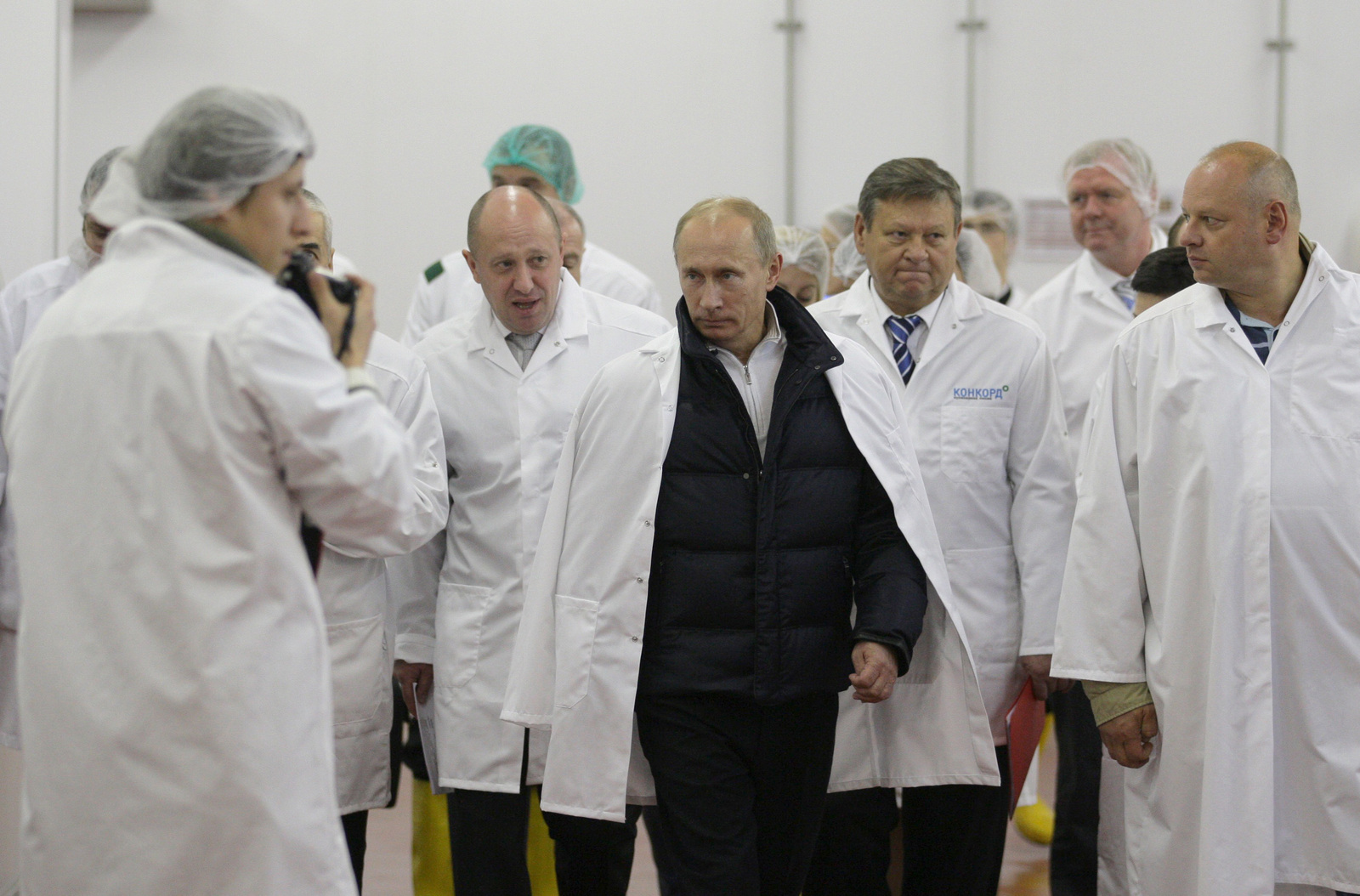
In brief
An armed formation, a business network and a political brand: Wagner was all of these, but not a single transparent organisation. From its origins in Ukraine to warfare in Africa, from prison recruitment to the deaths of its leaders, documents reveal a relationship with the Russian state far more concrete than the phrase “private army” suggests.
- Public funding acknowledged, not audited accounts.
- Bakhmut: documented losses, without our individual verification.
- The revolt was armed, not merely verbal.
- Death and responsibility are separate questions. Russian authorities announced the genetic identification of the ten victims of the aircraft that crashed in August 2023. Public statements about its cause do not amount to proof of who might have brought it down.
Frequently asked questions
Who founded Wagner, Prigozhin or Utkin?
Sources assign different, complementary roles: Utkin in military formation and leadership, Prigozhin in financing and organising the network. Prigozhin's claim, made public in 2022 and concerning the foundation in 2014, does not erase the earlier careers of men from the armed forces and private security.
Was Wagner Putin's personal army?
Economic dependence is documented, not every individual command. “Personal army” is too broad a phrase to reconstruct who ordered each operation. Economic dependence does not replace evidence of the specific chain of command.
Did being a private group make its operations lawful?
No. Organisational form does not authorise crimes. Classification as mercenary, volunteer or serviceman has different legal consequences, but does not erase the prohibition of torture and unlawful killings. Responsibility still requires establishing conduct and individual roles.
Where did the money come from?
From public funding acknowledged by Putin and commercial circuits described, among other places, in sanctions measures. Military payments, catering and natural-resource activities do not automatically form one account: not everything a company invoices becomes personal profit.
Why recruit prisoners?
By offering freedom to expand the force, within a highly unequal relationship.
Were Bakhmut's twenty thousand dead propaganda?
According to the investigation, around twenty thousand within the period studied.
Did the revolt capture Moscow?
No, the advance stopped. Damage and deaths document an armed crisis; failure does not prove staging, which would require specific evidence.
How was Prigozhin's death confirmed?
The flight list was released first; then the Investigative Committee announced that genetic examinations of the ten victims matched that list. Evidence of identity must be kept separate from what is known about the crash's causes.
Is it proven that Putin had him killed?
The documents analysed do not establish that attribution. The revolt provides political context for questioning motive, not proof of an order. Statements about grenade fragments alone neither identify a perpetrator nor resolve how the event occurred.
Has Wagner disappeared completely?
The leaders' deaths and subsequent reorganisation announcements do not allow one answer for every country. Men, networks and activities can continue under different command relationships. Describing the current situation requires up-to-date local evidence, not merely the old map of its expansion.
Accounts and attribution
Russian state
Putin acknowledged funding and denounced the revolt; this does not prove every individual order. [2] [27] [37]
Prigozhin and Wagner
Claims about origins, rejection of contracts and the alleged attack on a camp are party statements; the last was denied by the ministry and unverified. [5] [24] [25]
External authorities and investigations
Sanctions, UN reports and journalistic reconstructions have different methods and thresholds. They do not automatically replace a judgment or proof of individual command. [1] [17] [18] [19] [21]
The Wagner name does not explain who was in command
The story is often told through two figures: Vladimir Putin and his “chef”, Yevgeny Prigozhin. It is a powerful but incomplete image. A catering supplier does not, on his own, command prisons, military airfields, artillery, diplomatic relationships and access to distant wars. At the same time, a group useful to those in power can develop interests, personal loyalties and instruments of pressure that its sponsor cannot control without friction. Wagner belongs in that space.
Reconstructing it requires following people and relationships, rather than imagining a company with a single headquarters, public accounts and an organisational chart that always applies. The European designation of December 2021 described Wagner as an unincorporated private military entity led by Dmitry Utkin and funded by Prigozhin. That was the characterisation adopted to impose sanctions, not a company's founding document. The same name covered activities in different countries. EU Regulation 2021/2195, annex [1].
This suggests a more useful question than “was it private or state-run?”: for which activity, during which period and through what relationship? A commercial contract, a transfer of public money and an operational order are different kinds of evidence. They can form a network of dependence without making every fighter a ministry employee or every transaction an instruction from the president.
Documented within the stated scope
Documentary green: public funding acknowledged
Explicit acknowledgement also came from Putin on 27 June 2023. Green concerns the existence of that admission and the period it covers, not certified accounts of all Wagner activities. Archived official speech. [2]
Utkin, the Slavonic Corps and the war in Donbas
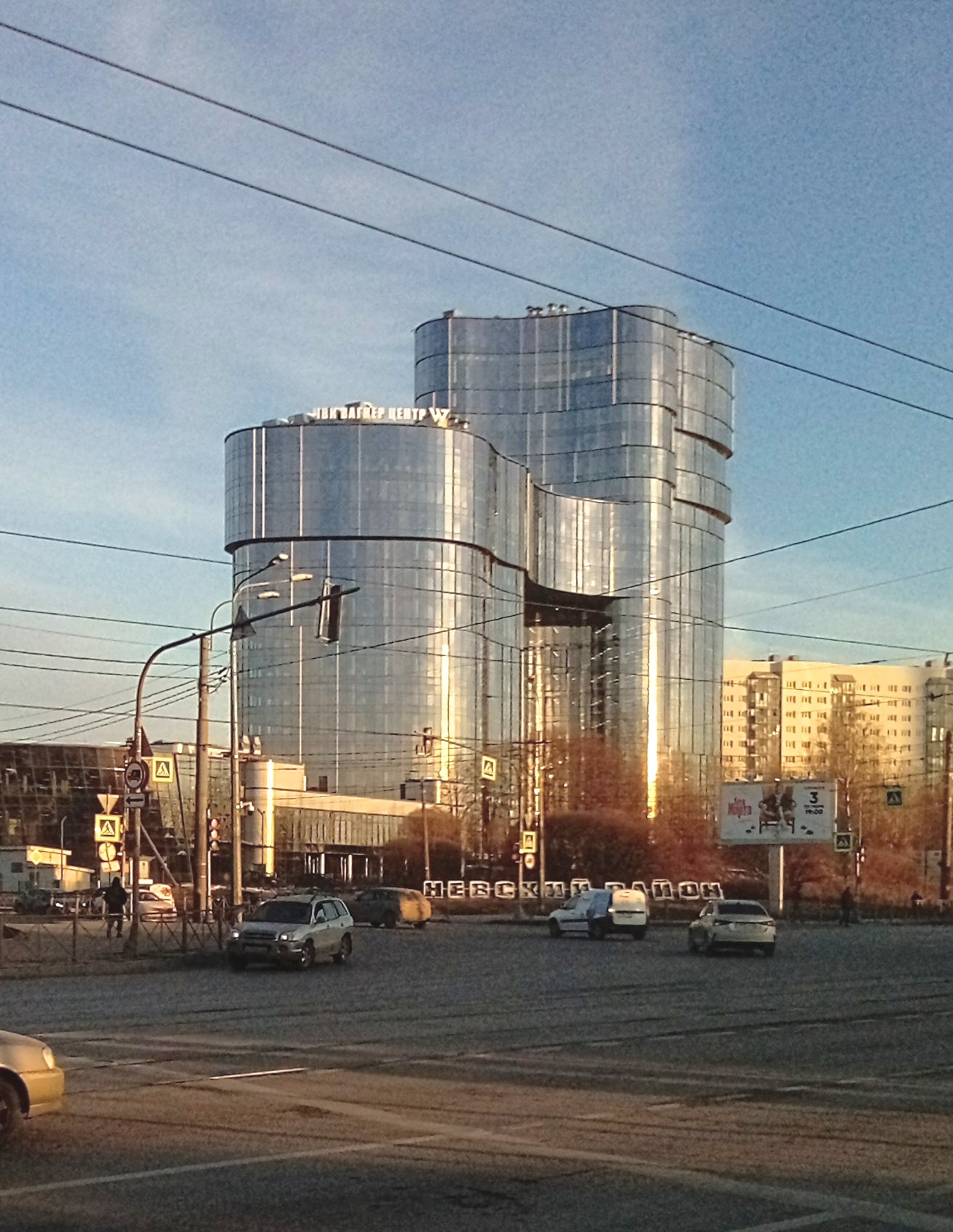
Dmitry Utkin matters because he takes the story beyond an exclusively economic biography of Prigozhin. In Denis Korotkov's investigation published by Fontanka in March 2016, Utkin was a reserve lieutenant colonel who had commanded the 700th Detachment of the 2nd Special Forces Brigade. According to that account, he did not command the entire brigade. Fontanka connected his career with private security work and the Slavonic Corps in 2013, then with the new formation in 2014. It also described an initial base at Vesely and a subsequent move to Molkino. These are findings of a journalistic investigation, not an organisational chart published by Russian military intelligence. Fontanka, 29 March 2016 [3].
Announcing sanctions in June 2017, the US Treasury identified Utkin as Wagner's founder and leader, attributed the deployment of men to eastern Ukraine to the formation and linked Concord to Prigozhin. This source documents what Washington was formally asserting before the full-scale invasion of 2022. It should not be presented as a reconstruction produced after the 2023 revolt. US Treasury, 20 June 2017 [4].
In September 2022 Prigozhin himself claimed to have created the formation in 2014. The statement, issued by Concord's press service and reported by Meduza, gave 1 May as its founding date. This was a retrospective claim by a central participant, not a corporate registration that independently settles every question about its origins. Above all, “founder” can describe Prigozhin's financial and organisational role without erasing Utkin's military role. Meduza, 26 September 2022 [5].
Its emergence in Donbas places Wagner within a war already shaped by local actors, outside intervention and differing levels of Russian involvement. Reducing it to a spontaneous volunteer group detached from all state infrastructure does not explain its later expansion; reducing the entire conflict to Wagner would be equally misleading. The broader context is collected in our Russia–Ukraine conflict hub [6].
Syria: fighting, protecting facilities and taking a share of production
Syria clearly illustrates the link between warfare and economic activity. In January 2018 the US Treasury described Evro Polis as a company controlled by Prigozhin and cited an agreement to protect Syrian oil facilities in exchange for 25% of their oil and gas production. This is a specific official assertion: it does not mean 25% of the entire Syrian economy or 25% of the net profits of any Wagner activity. The contract and complete accounts would be needed to calculate what was actually received. US Treasury, section on Evro Polis [7].
The mechanism differs from a straightforward invoice for training soldiers. If payment depends on a facility's availability, the asset's security and the contractor's economic interest become intertwined. War can create commercial opportunities while threatening those already secured. This helps explain why a security network might take an interest in wells, mines, transport and local authorities, without assuming that a single contract explains every battle.
According to the Pentagon's account, on 7 February 2018 a pro-government force attacked in eastern Syria, near a Syrian Democratic Forces headquarters where coalition advisers were present. In the Pentagon's account the following day, spokesperson Dana White described artillery, tanks and the coalition's aerial and ground response; she reported contacts with the Russians before, during and after the clash. The text does not identify every attacker as Wagner and gives no Russian death toll. The American characterisation of the action as self-defence remains attributed to the Pentagon. DoD account reproduced by GlobalSecurity [8].
Conclusion not established
Yellow: Wagner's death toll in the Syrian clash cannot be inferred from the attacking force's size
“A battalion attacked”, “Russians died” and “Wagner members were killed” are not interchangeable propositions. The cited US military source establishes its account of the clash, not the automatic attribution of all participants and casualties to Wagner. [8]
The Syrian presence also raised questions of individual responsibility. In June 2022 FIDH, the Syrian Center for Media and Freedom of Expression and Memorial announced an application to the European Court of Human Rights concerning the killing of Mohammed Elismail in 2017, following legal action in Russia. The organisations linked the suspects to Wagner through image analysis. The statement documents legal action and its allegations; it is not a judgment against individual men and does not establish the proceedings' subsequent outcome. There is no need to reproduce images of torture to explain the case. FIDH, 9 June 2022 [9].
Following the money without adding incompatible accounts
On 27 June 2023, after the revolt, Putin said Wagner's upkeep had been funded entirely by the state. For May 2022–May 2023 he gave a figure of 86.262 billion roubles, then separately mentioned other sums for compensation and Concord's catering activities. These were figures announced by the president, not independently audited accounts. Speech of 27 June [2].
The admission's political significance is considerable: it makes it untenable to describe the formation as economically separate from the state during that period. But funding is not profit. Money intended for personnel, compensation for families and a catering company's revenue cannot be added together and indiscriminately called “Prigozhin's earnings”. Recipients, purposes and possible overlaps differ.
In Africa, sanctions identified a different circuit. In June 2023 the US Treasury described Midas Ressources, linked to the Ndassima mine in the Central African Republic, and Diamville as parts of a gold network connected to Prigozhin. This is an official reconstruction of the financial network: the estimated value of a deposit is not money already extracted, sold and transferred. US Treasury, 27 June 2023 [10].
A serious economic investigation must therefore follow at least four steps: who controls a company; what commercial right or contract it holds; what it produces or provides; and where payments go. Evidence can be strong at one stage and incomplete at another. Writing “gold in exchange for security” summarises a possible model, but does not replace reconstructing each agreement.
The network was not confined to weapons and commodities. In September 2020 OFAC also linked Prigozhin to funding the Internet Research Agency and described relationships between companies, information activities and foreign operations. This document helps explain why his influence was not equivalent to the number of fighters: he could combine economic resources, communication and security. It is the sanctions authority's assessment at the time, not a criminal conviction or a snapshot of today's structure. US Treasury, 23 September 2020 [11].
Documented within the stated scope
Documentary green: the United States designated Wagner a transnational criminal organisation
The measure of 26 January 2023 is publicly available. This sanctions category is not synonymous with the separate US designation of a foreign terrorist organisation, nor does it constitute a criminal conviction of every member. US Treasury, measure and grounds. [12]
“Mercenary”, “volunteer” and “private”: words have consequences
In ordinary language, “mercenary” describes someone who fights for money outside the regular armed forces. In law, classification requires specific conditions. Article 359 of Russia's criminal code addresses mercenary activity and defines its elements, including remuneration, nationality, residence and official duties. Its penalties were amended in 2022. Applying a journalistic label does not automatically establish every element of the offence in a particular case. Reproduction of Article 359 [13] and amending law of 14 July 2022 [14].
It is equally inappropriate to infer from the difficulty of classification that a formation can act without responsibility. Murder, torture or the execution of prisoners do not become lawful because their perpetrators are called volunteers, instructors or contractors. Organisational category and conduct are separate issues. Establishing who was present, who commanded and what they knew remains essential, even when authorities change the terminology they use.
This ambiguity had political uses: it allowed a force's successes to be celebrated without always treating it as a regular unit. But it also had a cost. When Prigozhin invoked men, results and sacrifices against the military leadership, the personalisation of command ceased to be merely an asset. The revolt exposed a problem of control, not a purely linguistic dispute about the meaning of “private”.
Recruitment and losses
Prison recruitment transformed the force's scale and composition. A Bellingcat analysis from February 2023 reports Prigozhin's speech to inmates at Penal Colony No. 6 in Yoshkar-Ola, which emerged on video in September 2022: six months of service in exchange for a pardon, accompanied by a threat to execute deserters. The location and transcript come from that investigation, not our own authentication of the footage. Bellingcat, 13 February 2023 [15].
Sentences constrained the choice; the bargain transferred disciplinary power to the armed organisation, without guaranteeing survival or protection against abuse.
The Mediazona–BBC investigation of 10 June 2024, based on family-payment records checked against other sources, counts 19,547 Wagner deaths from 15 July 2022 to 6 June 2023: 17,175 prison recruits and 2,372 others. Prigozhin's narrower timeframe yields 18,329. These are not all Russian losses. The roughly twenty-thousand total is corroborated, but not an equal split between prisoners and others. The estimate of at least 48,000 recruits also uses identification numbers, not that many examined contracts. Mediazona, methods and findings [16].
Documented within the stated scope
Documentary green: the Mediazona–BBC count
The authors’ count, not individually verified here; different lists and periods prevent direct comparisons with Ukrainian losses. [16]
The scale of the sacrifice explains why Bakhmut also became a political resource. Claiming its capture meant claiming effectiveness; displaying losses enabled accusations that others had failed to provide enough support. Battlefield success and human cost could be used in the same narrative. Neither, in isolation, proves that every tactical choice was necessary or that a local victory determined the war's outcome.
Libya: military support observed by the UN
The UN Panel of Experts' report of March 2021 dates the arrival of Wagner personnel in Libya to October 2018, in support of forces affiliated with Khalifa Haftar, and describes a shift from initial repair work to combat duties. Estimates varied over time: around 800–1,200 during 2019–2020, and subsequently around 2,000. A footnote distinguishes that latter figure from additional Syrian fighters recruited and deployed through Wagner. Presenting all these figures as a single contemporaneous census would be wrong. UN, S/2021/229, paragraphs 93–97 and footnote 61 [17].
The Libyan case matters because it documents a military presence without relying solely on the organisation's communications. It also shows how easy it is to misread a chronology: withdrawing from a city does not mean leaving a country; moving men does not mean dissolving a structure; observing a base on one date does not establish who occupies it years later.
Russian interests and those of the network could overlap in a theatre without being identical. An armed presence can provide political influence, logistical access and negotiating leverage; a contractor may seek payment and operational continuity. Stating that these benefits are possible does not justify inventing undocumented concessions. A serious map must therefore distinguish observed presence, known contracts and presumed economic interests.
Documented within the stated scope
Documentary green: Wagner in Libya, according to the UN
The finding concerns the historical period examined by the experts. It is not an estimate of personnel present in November 2026 and does not justify adding contingents with different denominators. [17]
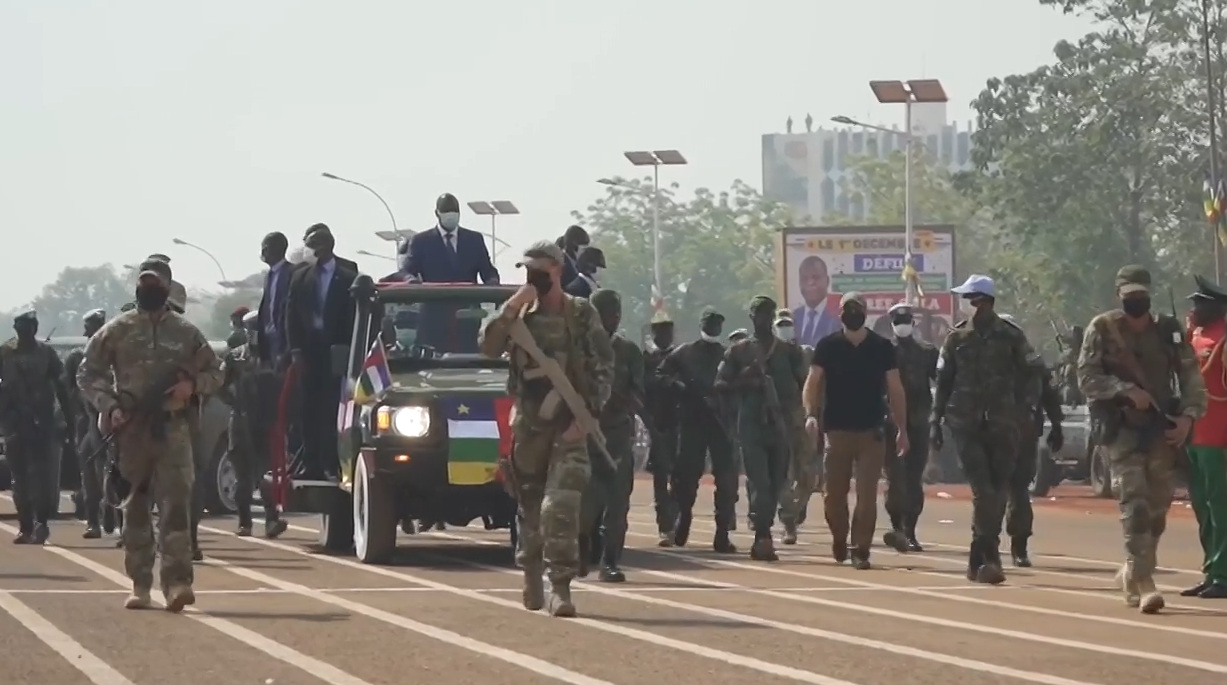
Central African Republic: instructors and armed operations
In the Central African Republic, the language of “instructors” does not cover everything the documents describe. The UN Panel of Experts in June 2021 reported armed participation and operational roles. During the operation in Bambari on 15–16 February 2021, Central African soldiers and Russian instructors entered the Al-Takwa mosque, where civilians were present and UPC fighters had taken refuge: according to the report, they also fired inside, without adequately distinguishing between those present. Local sources reported 17 victims; the Panel confirmed at least six civilian deaths, specifying that combatants were among the other dead. The Russian coordinator said rebels had placed civilians in the mosque and fired from there at Central African forces, but denied that Russian instructors had entered the building and fired on civilians. UN, S/2021/569, paragraphs 85–87 [18].
This is a case in which oversimplification can distort in either direction. Calling everyone “advisers” downplays the documented combat role. Automatically assigning every Russian individual described in a report to Wagner, however, gives the document an organisational precision it may not possess. The proper question is whom the report identifies, on what evidence and for which incident.
The business network cited in gold sanctions adds a layer; it does not replace the military one. An operation against a locality and control of a mining business each require their own evidence. Where they intersect, they may explain how a presence becomes entrenched; where the connection is unproven, proximity on a map is not enough.
Conclusion not established
Yellow: “Russian instructors” does not automatically identify a Wagner unit
The report documents conduct and testimony, but organisational attribution must be checked separately. Caution over names does not make evidence of abuse irrelevant or displace the responsibilities of the local forces involved. [18]
Moura: a massacre, several levels of attribution
The operation at Moura, Mali, took place from 27 to 31 March 2022. In its report published in May 2023, the UN human rights office concluded that there were reasonable grounds to believe at least five hundred people had been unlawfully killed. The investigation, denied access to the site, used individual interviews and group meetings. Its conclusions identify Malian forces and foreign military personnel; Wagner appears in the contextual discussion, but this does not amount to identifying each perpetrator individually and organisationally. OHCHR, Moura report, methods and conclusions, ACCORD/ecoi copy [19].
An earlier Human Rights Watch investigation, published in April 2022, collected testimony from twenty-seven interlocutors and estimated around three hundred executions. Several sources described foreign soldiers as Russians. The subsequent, broader report does not prove the first toll was fabricated: it reflects another stage in collecting evidence. Conversely, one cannot assume that all witnesses in the two investigations were different and count the reports as two certainly independent samples. Human Rights Watch, 5 April 2022 [20].
The European Union made a more explicit attribution. In its February 2023 measure concerning Ivan Maslov, it identified Wagner's involvement in extrajudicial killings at Moura. This is an official sanctions rationale, not a judgment or the text of the UN conclusions. It should be reported alongside them, not substituted for them. EU Regulation 2023/428, Maslov annex, official text on BOE [21].
Documented within the stated scope
Documentary green: the UN concluded that large-scale unlawful killings occurred at Moura
Green indicates the investigation's findings and its stated evidentiary standard. Specific attribution to Wagner also draws on different sources, including the European measure. We do not present it as a criminal conviction already handed down. [19] [21]
The regional context is explored in our Mali conflict hub [22].
Sudan: a financial network does not prove every subsequent intervention
In July 2020 the US Treasury described M Invest as a Wagner cover organisation controlled by Prigozhin, and Meroe Gold as its subsidiary. It connected the network to gold concessions obtained in 2017 and activities supporting Omar al-Bashir's rule. These are official assertions concerning a particular period and identified companies. They do not automatically establish every allegation of arms transfers or intervention in the Sudanese conflict that broke out later. US Treasury, 15 July 2020 [23].
A structure can survive the fall of its political counterpart, seek new agreements or lose access. One cannot select any of these trajectories merely because a concession once existed. When following wartime business, the date forms part of the evidence: a historical document is not a permanent snapshot of the present.
Wagner's geography should therefore not become a list in which every country has the same level of documentation. A military presence described by an expert panel, a corporate network identified by a sanctions authority and a journalistic hypothesis about a clandestine transfer do not belong to a single category of certainty.
The armed revolt
The crisis had specific antecedents. During the battle of Bakhmut, Prigozhin repeatedly accused Defence Minister Sergei Shoigu and Chief of the General Staff Valery Gerasimov of incompetence and of denying his men ammunition and support. Public accusations are not independent verification of supplies or an intention to sabotage Wagner. They do show his personal command clashing with the military hierarchy before the advance towards Moscow. Reuters, account of 23 June 2023 [24].
A concrete step came in June: the ministry announced that volunteer formations must sign contracts with the Defence Ministry by the end of the month. On 11 June Prigozhin publicly refused, arguing that subordination to Shoigu would damage Wagner's command structure. He presented his force as loyal to Russian interests but unwilling to accept that hierarchy; he also raised the possibility that refusal would be used to cut supplies. The dispute was therefore not simply about insults to generals: it concerned who would control men, weapons and contractual relationships. Reuters, account republished by ABC [25].
On 23 June Prigozhin added an immediate allegation: Russian forces had supposedly attacked a Wagner camp and killed many of his men. The ministry denied it. Reuters described unverified footage and insufficient evidence of the alleged attack. The allegation formed part of the revolt's public justification, not a bombardment we can present as established. The rupture thus occurred against an existing dispute, not one incident whose truth has been demonstrated. Reuters, accusation and denial [24].
The revolt was not merely a verbal outburst. Geolocated reconstructions of public images show columns along the M4, obstacles on the road and aircraft shot down. In its analysis published on 29 June, Bellingcat documented at least three aircraft downings and other damage during the advance. This is the researchers' analysis of the images, not our own independent verification of every video. Bellingcat, damage analysis [26].
On the morning of 24 June Putin denounced an armed rebellion and the blocking of civilian and military functions in Rostov. The speech did not need to name Prigozhin to make clear the conflict with the advancing formation. It expressed the president's position and the state's threatened response, not a neutral account of all the crisis's causes. Official speech of 24 June [27].
The criminal proceedings had been opened on 23 June. A Kremlin statement subsequently recorded the prosecutor general's briefing to Putin at 2:30 a.m. on 24 June. Official statement [28].
On the evening of 24 June, Belarusian mediation was announced. Interfax cited Alexander Lukashenko's press service: Prigozhin had reportedly agreed to halt his men's movement and reduce tensions on the basis of security guarantees. That announcement does not make public a signed agreement containing all its clauses. Interfax, 24 June 2023 [29].
Archive footage
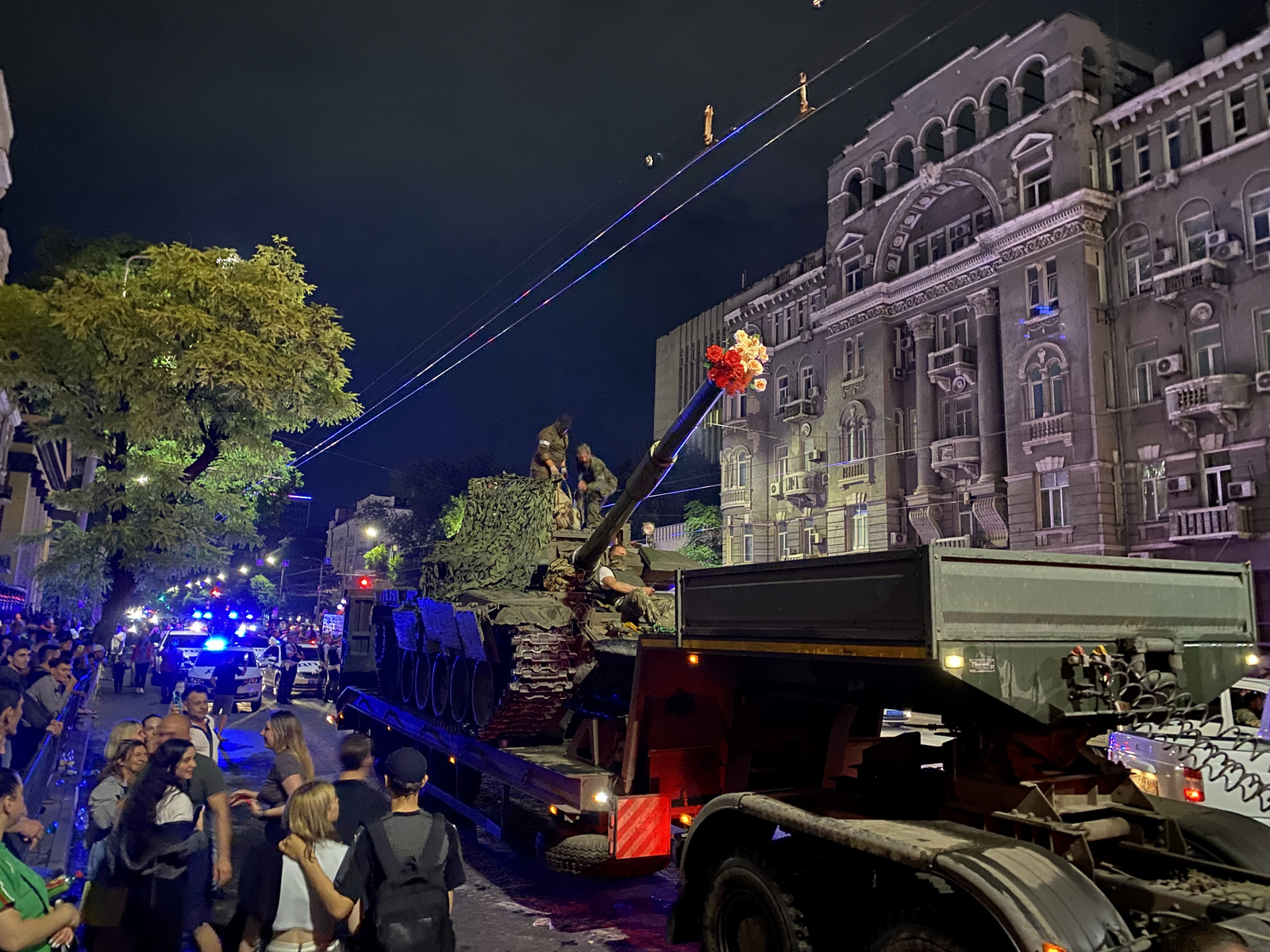
Rostov: documentary footage
Date and place attributed to the author: Fargoh, Rostov-on-Don, 24 June 2023. Archive footage shows traffic, vehicles and people in the street near the end of the revolt. It does not establish aircraft downings, casualty totals or popular support. · Fargoh · CC0 1.0 [52] [53]
Wikimedia is contacted only when you load the footage. No autoplay.
The footage could not be loaded. The original source remains available.
Cover: archive photograph, not a video frame.
The compromise was not a return to normal
On 26 June Putin offered fighters the options of signing contracts with state structures, returning to their families or moving to Belarus. He thanked Lukashenko and commemorated pilots killed opposing the revolt. The reference to the dead shows why the compromise was not a simple personal reconciliation without consequences: the state had come under attack, while choosing to distinguish the fighters from those politically responsible for the action. Speech of 26 June [30].
On 27 June the FSB announced the closure of the armed-rebellion proceedings, citing the cessation of the conduct on 24 June. The announcement reported by TASS concerns closing a case, not an acquittal following a trial. TASS, FSB announcement [31].
On 10 July spokesperson Dmitry Peskov disclosed that Putin had met Prigozhin and Wagner commanders on 29 June: according to his account, thirty-five invitees and a meeting lasting around three hours. This confirms that, in the official version, direct contacts continued after the revolt. The announcement does not contain the full meeting transcript, and we cannot infer a secret agreement about Prigozhin's subsequent fate from it. TASS, Peskov's statement [32].
Politically, the central question had changed: how could men and skills be retained without preserving the same autonomous centre of loyalty? The recruiter, financier and charismatic commander could mobilise a force the state had helped build. The announced option of individual contracts indicated a route towards separating the military force from its political entrepreneur.
23 August: who was on the aircraft and how identification was announced
On 23 August 2023 an Embraer crashed in the Tver region. Rosaviatsiya said the aircraft was operated by MNT-Aero and was travelling from Moscow to St Petersburg. Prigozhin and Utkin were among the seven passengers on the airline's list. The crew comprised captain Alexey Levshin, co-pilot Rustam Karimov and flight attendant Kristina Raspopova. Rosaviatsiya, initial announcement [33] and passenger and crew list [34].
The manifest provided important initial information, but did not identify the remains. That second stage was announced on 27 August by Russia's Investigative Committee: molecular and genetic examinations had been completed, and the identities of the ten victims matched the flight list. The statement does not publish the raw genetic data. It is nevertheless a separate, more specific source than a political expression of condolences. Investigative Committee, statement archived on 27 August [35].
Documented within the stated scope
Documentary green: Russian authorities announced the genetic identification of the ten victims
The match with the manifest included Prigozhin and Utkin. The finding concerns the victims' announced identities; it does not establish the cause of the crash or responsibility for a possible attack. [33] [34] [35]
The distinction is also essential when reading early reports. Being listed as a passenger, being considered probably dead and being officially identified are different stages of information. They should not be retrospectively merged as though every source had known everything from the start.
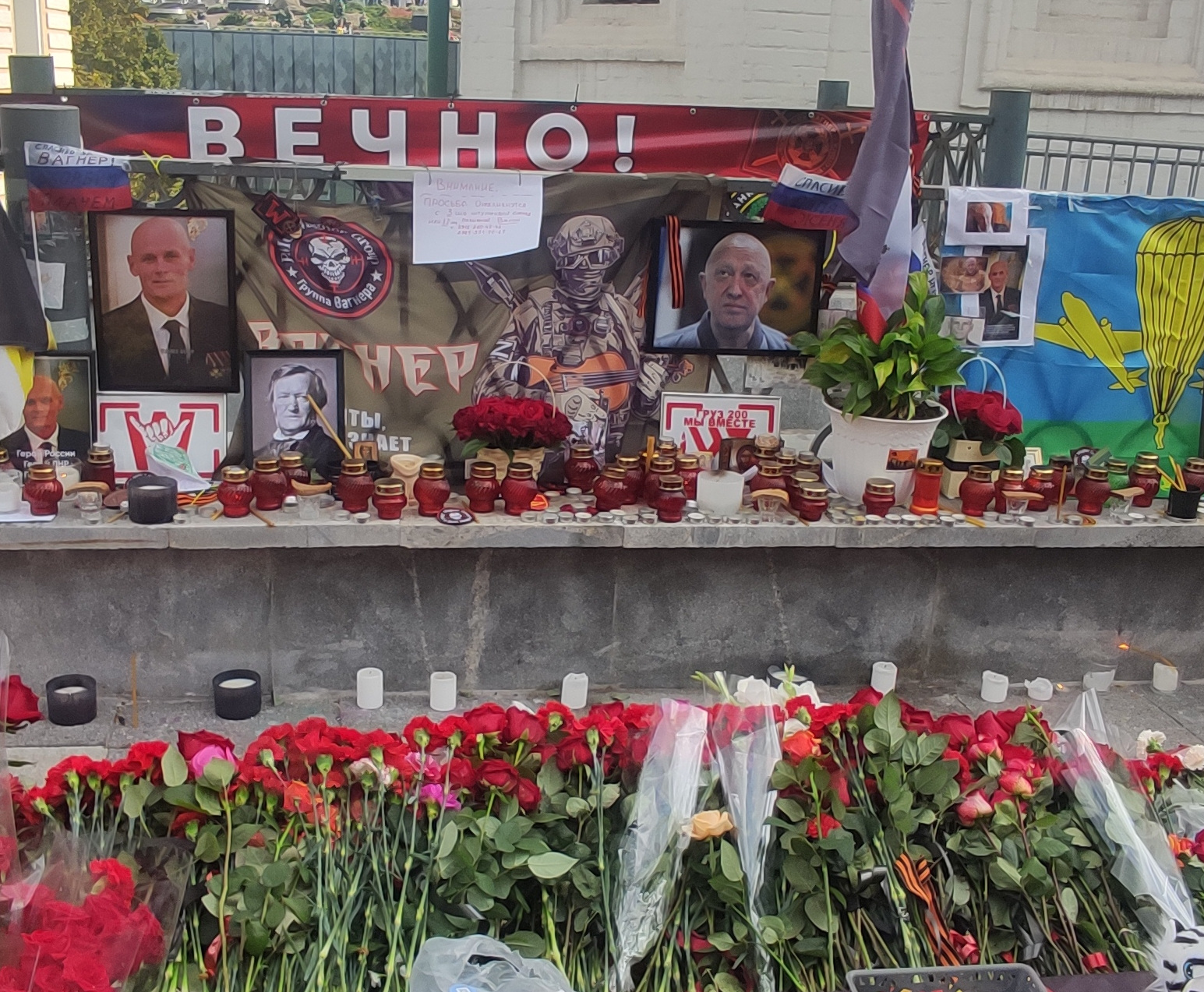
Missiles, explosions and responsibility: what do we really know?
On 24 August Pentagon spokesperson Pat Ryder described a preliminary assessment that Prigozhin was probably dead. He said he had no information supporting reports of a surface-to-air missile. When a journalist asked whether using the word “killed” implied intentional assassination, Ryder clarified that he meant death in the plane crash. Turning those words into American confirmation of an assassination would be wrong. Briefing transcript, archived copy [36].
On 5 October Putin instead reported that the head of the Investigative Committee had told him about grenade fragments in the bodies and the absence of an external impact. He added that alcohol and drug tests had not been carried out, and linked the discussion to substances that, he said, had been found in Prigozhin's offices. This is the president's statement about information received from the investigation, not publication of the forensic report. It does not prove that passengers were intoxicated, that a grenade was accidentally handled or that sabotage was ruled out. Valdai, question and answer on Wagner [37].
Conclusion not established
Yellow: grenade fragments are an investigative claim reported by Putin, not a cause fully demonstrated to the public
Even if the information about fragments is accepted, their origin, placement, the sequence of events and responsibility remain to be explained. This is not a minor detail: those are precisely the steps that distinguish accident, negligence and attack. [37]
Reuters also reported that Russia had told Brazil's investigation centre CENIPA it did not intend, at that time, to begin an investigation under the international rules of Annex 13. The flight was domestic: according to the ICAO explanation quoted in the article, that international framework was not compulsory. Non-involvement alone proves neither a procedural violation nor the identity of anyone responsible for sabotage. Reuters, account of 29 August 2023 [38].
The proximity in time to the revolt makes the question of a possible political motive inevitable. Asking it is legitimate. Turning it into an already proven solution is not: a possible motive does not identify who might have prepared a device, given an order or facilitated access to the aircraft. The documents examined here do not complete that causal chain.
After Prigozhin: continuity, reorganisation and Africa Corps
The leaders' deaths do not necessarily mean the disappearance of all fighters, contracts and relationships built up over time. Nor does the continued presence of some men prove the organisation remains identical. Dependence, chain of command and branding can change while operations continue in the same country.
In June 2025 AP, in an article republished by CBS, reported announcements of Wagner's withdrawal from Mali and the continued presence of Africa Corps, a Russian-backed structure. This is an important development, but an announcement cannot certify that every individual left the territory or automatically describe the entire African configuration of November 2026. AP/CBS, 7 June 2025 [39].
Conclusion not established
Yellow: continuity between Wagner and Africa Corps requires country-by-country verification
Assessing continuity and differences requires evidence about command, funding, personnel and assignments in each country. The history of Prigozhin's network helps explain succession, but does not replace an investigation of the new configuration. [39]
The lesson is not that a state-dependent force cannot rebel, or that rebellion proves there were no previous ties. On the contrary, the problem can emerge precisely from the accumulation of public resources, commercial interests and personal loyalties. Wagner offered Moscow capabilities usable across different theatres; Prigozhin then sought to convert that strength into political weight. The crisis of 2023 exposed the limits of this coexistence.
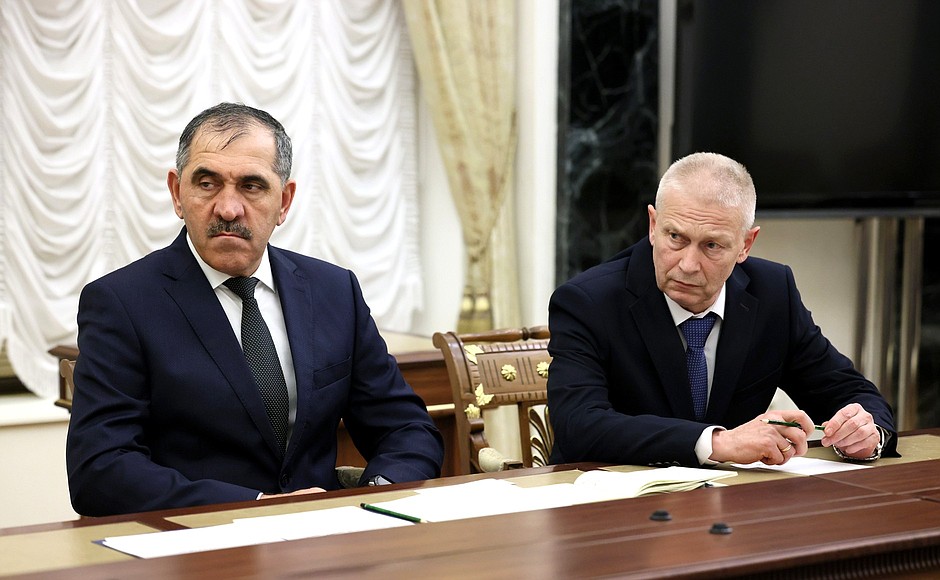
Essential timeline
- 2013–2014: the Slavonic Corps experience and Wagner's formation precede international expansion; Prigozhin would later claim to have founded it in 2014.
- 2017–2018: US sanctions identify leaders and companies; the Syrian presence reveals commercial connections and military risks.
- 2018–2021: UN documents reconstruct activities in Libya and the Central African Republic.
- 2022–2023: prison recruitment and the battle of Bakhmut dramatically increase size and losses.
- 23–24 June 2023: rebellion proceedings, armed advance and announcement of Belarusian mediation.
- 26–29 June 2023: options for fighters, closure of the case and a Kremlin meeting later made public.
- 23 and 27 August 2023: aircraft crash and announcement of genetic identifications.
- 5 October 2023: Putin reports investigative information about grenade fragments.
- June 2024/June 2025: losses investigation; announcements about succession in Mali.
Sources
The A/B notes distinguish readings retained in the dossier from documented subsequent checks. Partial access, copies and dependencies are identified; exact times are unavailable for some historical readings.
- EUR-Lex · 2021/2195
A · Provenance · Original EUR-Lex 2021/2195 acquired; recitals 5–7 and relevant annex entries read.
B · Content and limitations · Documents sanctions rationales for Wagner and its leaders. Not a judgment, incorporation document or proof of every order; witness-derived details remain attributed.
- Kremlin · 2023-06-27 · Wayback
A · Provenance · Russian speech of 27 June 2023 read in a Wayback copy; funding passages separately reread.
B · Content and limitations · Green concerns acknowledgement of public funding for May 2022–May 2023, not an audit. Subtotals differ by one million; reason unknown. Compensation and Concord revenue are not all Wagner profits or operational orders.
- Denis Korotkov / Fontanka · 2016-03-29
A · Provenance · Fontanka, 29 March 2016: origins, Utkin, Chupov and camps read; final awards section only partly read.
B · Content and limitations · Investigation attributed to the newspaper: Utkin commanded the 700th detachment, not the entire brigade. Not a certified GRU organisation chart; proximity to a base alone does not prove a chain of command.
- US Treasury · 2017-06-20
A · Provenance · Original US Treasury release of 20 June 2017; Wagner/Utkin and Concord passages read, not every designation.
B · Content and limitations · Documents the US sanctions assessment of eastern Ukraine and Prigozhin’s network in 2017. Not an incorporation record, criminal conviction or complete reconstruction of command.
- Meduza / Concord · 2022-09-26
A · Provenance · Meduza article of 26 September 2022 read in full; Concord’s VK original not read, downloaded response unusable.
B · Content and limitations · Documents Prigozhin’s claim, reported by Meduza, of creating the group in 2014. Not a founding instrument or verification of other accusations in the statement.
- SINE VELO · Russia–Ukraine
A · Provenance · The verification record documents the link in the retained sitemap; the page was not reopened in this review.
B · Content and limitations · Context link, not a primary source or independent corroboration. Sitemap presence does not establish a fresh content review.
- US Treasury / Evro Polis · 2018-01-26
A · Provenance · US Treasury original of 26 January 2018: Evro Polis section read.
B · Content and limitations · Describes a facility-protection contract for 25% of those facilities’ oil/gas production. Contract not obtained: not 25% of all Syria, net profits or verified receipts.
- DoD / GlobalSecurity · 2018-02-08
A · Provenance · DoD account of 8 February 2018 read in full through the GlobalSecurity republication; download 403, DoD/CENTCOM hosts blocked.
B · Content and limitations · US account of the 7 February clash, not another independent witness. Does not identify all attackers as Wagner or count Russian deaths; force size is not a casualty count.
- FIDH / SCM / Memorial · 2022-06-09
A · Provenance · FIDH release of 9 June 2022 and legal-action timeline read.
B · Content and limitations · Direct source from applicant organisations on the Elismail case. Not a judgment or proof of a later ECtHR outcome; original court records not read and video not played. Suspect identification attributed to the NGOs.
- US Treasury / Midas–Diamville · 2023-06-27
A · Provenance · US Treasury release of 27 June 2023: rationales, Midas/Ndassima, Diamville and sanctions effects read.
B · Content and limitations · Official account of the gold network, not verified accounts or mining records. Estimated reserve value is not money received or personal profit.
- US Treasury · 2020-09-23
A · Provenance · US Treasury, 23 September 2020: introduction, Prigozhin/IRA/Wagner, M Finans/Lobaye Invest and sanctions effects read.
B · Content and limitations · OFAC’s assessment of the commercial/information network then. Not company records, a criminal trial, proof of election outcomes or a picture of the 2026 structure.
- US Treasury / TCO · 2023-01-26
A · Provenance · US Treasury original of 26 January 2023: TCO designation, rationale and effects read.
B · Content and limitations · Green concerns the transnational criminal organisation designation. Not an FTO designation, criminal conviction of every member or automatically worldwide prohibition.
- Consultant · art. 359
A · Provenance · Article 359 read in full in the Consultant reproduction, not an issuing legal portal facsimile.
B · Content and limitations · Its legal definition and conditions are not the journalistic label “mercenary”. No Prigozhin/Utkin conviction checked; no comprehensive certification of law in force in 2026.
- Garant · 260-FZ · 2022-07-14
A · Provenance · Law 260-FZ of 14 July 2022 in Garant’s reproduction: article 1(13) and article 3 read, not the entire law.
B · Content and limitations · Supports amendments to article 359 penalties and their commencement. Does not prove application to every fighter or unchanged validity in 2026; issuing official facsimile absent.
- Bellingcat · 2023-02-13
A · Provenance · Partial reading: speech and profiles through Maksimenko; final profile incomplete.
B · Content and limitations · Attributed transcript/location; video not authenticated here. Cessation announcement does not establish the end of all state recruitment.
- Mediazona / BBC · 2024-06-10
A · Provenance · Method, recruitment and losses read; veterans section incomplete.
B · Content and limitations · Joint investigation, not two independent corroborations.
- UN · S/2021/229
A · Provenance · Original UN S/2021/229 acquired, 548 pages; §§93–98 and Annex 77 Appendix A §§1–3 with notes read, not the full PDF.
B · Content and limitations · Historical presence and activity in Libya supporting Haftar. The roughly 2,000 estimate excludes another 2,000 Syrians; not a 2026 contingent. Details derived from FPRI do not have two independent origins.
- UN · S/2021/569
A · Provenance · Original UN S/2021/569 acquired, 184 pages; §§65–68 and 83–88 read, not the full PDF.
B · Content and limitations · Bambari: 17 victims reported by local sources, at least six civilian deaths confirmed by the Panel; Russian denial retained. “Russian instructors” does not automatically identify Wagner; conduct and organisational affiliation require distinct checks.
- OHCHR / ACCORD–ecoi · Moura
A · Provenance · OHCHR Moura report obtained through ACCORD/ecoi, 42 pages; summary and §§5–7, 20–21, 68–70, 75–77 read, not the full PDF. Original blocked, no binary comparison.
B · Content and limitations · Reasonable-grounds findings, site access denied. Foreign personnel in conclusions, Wagner in attributed context. Not individual conviction; 157 interviews plus 11 meetings is not 157 total participants, nor a new 520 total.
- Human Rights Watch · 2022-04-05
A · Provenance · HRW, 5 April 2022: opening, method and relevant legal passages read, not all remaining text.
B · Content and limitations · Investigation involving 27 interlocutors, provisional estimate of roughly 300 executions. Not merely a UN retelling; independence of witness samples from the UN not checked. Some Russian identification indirect; differing later figures do not prove fabrication.
- BOE · EU 2023/428 · Maslov
A · Provenance · EU Regulation 2023/428, official Spanish BOE text: short text and Maslov rationale read.
B · Content and limitations · Explicitly attributes the Moura killings to Wagner as sanctions grounds. Not a judgment or a new interview sample; attribution distinct from OHCHR’s conclusions.
- SINE VELO · Mali
A · Provenance · The verification record documents the link in the retained sitemap; the page was not reopened in this review.
B · Content and limitations · Context link, not a primary source or independent corroboration. Sitemap presence does not establish a fresh content review.
- US Treasury · 2020-07-15
A · Provenance · US Treasury original of 15 July 2020: Sudan-related targets section read.
B · Content and limitations · Official assessment of M Invest, Meroe Gold, 2017 concessions and support to Bashir. Not a company registry or evidence of later RSF supplies or every intervention in the war from 2023.
- Reuters / Taiwan News · 2023-06-23
A · Provenance · Full Reuters body of 23 June 2023 read in the Taiwan News republication.
B · Content and limitations · Documents Prigozhin’s accusations and the ministry’s denial; footage remains unverified. The alleged camp attack is not an established bombardment or proven sole cause of the revolt.
- Reuters / ABC · 2023-06-12
A · Provenance · Reuters contracts section read in ABC’s 12 June 2023 republication, not the whole Ukraine bulletin.
B · Content and limitations · Documents Prigozhin’s public refusal on 11 June and the contracts dispute. Putin’s unrecovered 13 June reply is not used as extra evidence; no signed contract obtained.
- Bellingcat / Scripps · 2023-06-29
A · Provenance · Text read in full; video not played in the recorded checks.
B · Content and limitations · Third-party analysis not replicated: at least three downings and damage, not a complete tally or every model identified.
- Kremlin · 2023-06-24 · Wayback
A · Provenance · Substantive core of Putin’s 24 June 2023 speech read in a Wayback copy.
B · Content and limitations · Presidential account of rebellion and disruption in Rostov, not neutral reporting of every cause. The text does not name Prigozhin; it does not alone establish intent to seize power.
- Kremlin · 2023-06-24 · 02:30 · Wayback
A · Provenance · Brief presidential note of 24 June 2023, 02:30, read in full in archive.
B · Content and limitations · Records Krasnov informing Putin of the case opening. Does not say the case was opened on the 24th; no necessary contradiction with the FSB’s reported 23rd.
- Interfax / Belarus · 2023-06-24
A · Provenance · Interfax article of 24 June 2023 read in full; reports the Belarusian presidency press service.
B · Content and limitations · Announcement of negotiations, accepted halt and security guarantees. Party account mediated by an agency, not a published signed agreement or proof of every secret clause.
- Kremlin · 2023-06-26 · Wayback
A · Provenance · Body of the 26 June 2023 speech read in a Wayback copy.
B · Content and limitations · Documents options offered to fighters and tribute to pilots killed opposing the revolt. Distinct from the 27 June pilots context; not the full mediation agreement.
- TASS / FSB · 2023-06-27
A · Provenance · TASS article of 27 June 2023 read in full; FSB press-office statement.
B · Content and limitations · Reported closure of the case opened on 23 June. Full order not read: not a judicial acquittal on the merits or proof that no violence occurred.
- TASS / Peskov · 2023-07-10
A · Provenance · TASS article of 10 July 2023 read in full; Peskov’s account of the 29 June meeting.
B · Content and limitations · Thirty-five invitees and nearly three hours are spokesperson figures. Not meeting minutes, permanent reconciliation or a secret agreement about Prigozhin’s later fate.
- Rosaviatsiya · 1277
A · Provenance · Rosaviatsiya post 1277 read in full on the web; official channel identified. The separate download did not contain the post.
B · Content and limitations · First announcement of the 23 August 2023 crash and seven passengers plus three crew. Not genetic identification or an established crash cause.
- Rosaviatsiya · 1278
A · Provenance · Official Rosaviatsiya post 1278 read in full on the web; list qualified as “according to the airline”. Observed extract retained; separate download unusable.
B · Content and limitations · Manifest naming Prigozhin and Utkin, distinct from identifying remains. Raspopova is a flight attendant; linking to SK does not mean SK republishes every name.
- SK · 2023-08-27 · Wayback
A · Provenance · Brief original SK release of 27 August 2023 read in full in the same-day Wayback capture; live host 403.
B · Content and limitations · Announces ten genetic identifications matching the manifest. No raw data or repeated names: linked with S34, not a second independent forensic analysis. Does not establish crash cause or perpetrator.
- DoD / Ryder · 2023-08-24 · Wayback
A · Provenance · Pat Ryder’s 24 August 2023 briefing in a Wayback copy: relevant Q&A read in full, not the entire briefing. Direct DoD host 403.
B · Content and limitations · Preliminary assessment: probable death and no information supporting a surface-to-air missile. Not confirmation of assassination, an internal bomb or final mechanism; “killed” clarified as dying in the crash.
- Kremlin / Valdai · 2023-10-05 · Wayback
A · Provenance · Wagner Q&A at Valdai on 5 October 2023 read in English/Russian Wayback copies, causal passage compared; not the full transcript.
B · Content and limitations · Fragments and no external impact relayed by Putin from the investigation, not a published forensic report. Does not prove intoxication, accidental detonation or exclusion of sabotage; cause and responsibility unresolved here.
- Reuters / Investing · 2023-08-29
A · Provenance · Reuters article of 29 August 2023 read in full in the Investing republication.
B · Content and limitations · Reports CENIPA and ICAO positions on Annex 13 for a domestic flight and Russia’s choice “at the moment”. Not an illegal refusal of any investigation, a final Brazilian finding or proof of who caused the crash.
- AP / CBS · 2025-06-07
A · Provenance · Substantive AP body of 7 June 2025 read in CBS’s republication. Usable original Telegram announcement text not read.
B · Content and limitations · 6 June announcements of Wagner leaving Mali and Africa Corps remaining, not verification that every fighter departed. One AP/CBS reporting chain; no certification of the November 2026 structure.
- Government of the Russian Federation / government.ru
- CC BY 3.0
- FITY CC
- CC BY-SA 4.0
- Clément Di Roma / VOA
- Public domain (VOA)
- Fargoh
- CC0 1.0
- PLATEL
- CC BY-SA 4.0
- Kremlin.ru / www.kremlin.ru
- CC BY 4.0
- Fargoh · Rostov · 24 June 2023
- CC0 1.0
- VOA · 16 February 2022


