
Dossier
Kursk 2024–2025: Why Ukraine entered Russia and what it gained
Ukraine took and held Sudzha for months. The foothold gave Kyiv a bargaining proposal, but it did not produce a land swap. By spring 2025 Russia had recovered the main area; claims about the last Ukrainian presence were still disputed.
In brief
Strong evidence
The ICRC assisted 104 repatriations
This counts three specific operations, not all civilian movements. [12]
What happened
On 6 August 2024, Ukrainian forces crossed into Russia’s Kursk region. The operation followed Russia’s full-scale invasion of Ukraine in 2022. Ukraine took Sudzha, the largest settlement it held in the region. The Ukrainian commander reported 74 settlements on 13 August; AP later estimated a peak area of around 1,300 km². These are not a single measurement: one counts settlements at a stated date, the other estimates an area. Neither means Ukraine took the whole region, nor did wartime control change sovereignty. [1] [2] [5] [15]
Why Kyiv went in
On 18 August, Volodymyr Zelenskyy described the operation as creating a buffer zone and also spoke of prisoners available for exchanges. On 27 August he placed Kursk inside his victory plan, claiming it had frustrated Moscow’s designs in Kharkiv; in April, he described the remaining buffer as protecting Sumy. These speeches show what the presidency said the operation was for, not what it independently achieved. Some Russian resources were committed to Kursk, while fighting in Ukraine continued. Nothing here measures how much slower or faster Russia would otherwise have advanced in Ukraine, or proves a lasting reduction in danger for Sumy. [3] [4] [5] [13]
A bargaining chip that never became a deal
In February 2025 Zelenskyy told the Guardian that he would offer a direct territorial exchange if talks took place, without naming the Ukrainian territory he would seek. Moscow publicly rejected the proposal. Holding territory made the proposal possible; that is different from obtaining a concession. The sources examined show no land actually exchanged through Kursk in this period. [6] [16]
Sudzha and the disputed ending
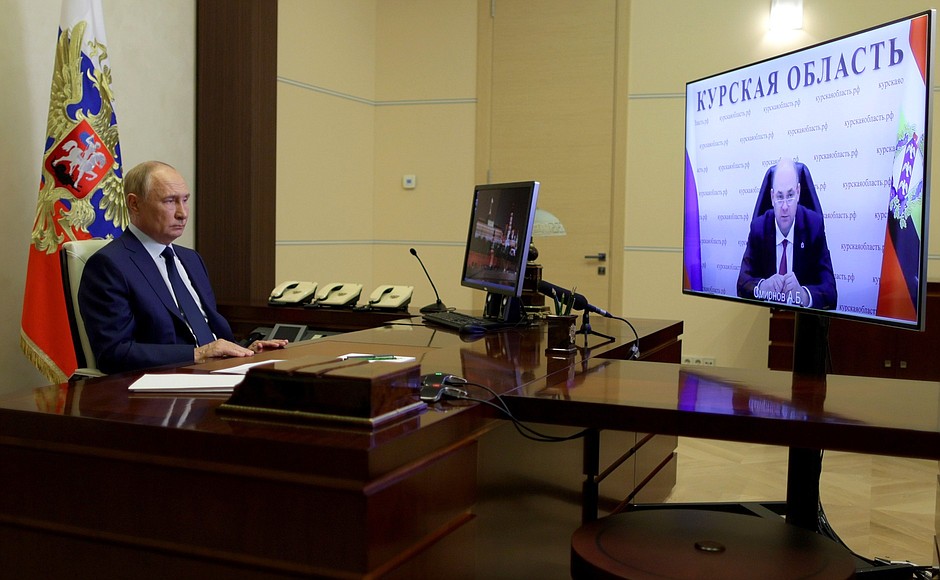
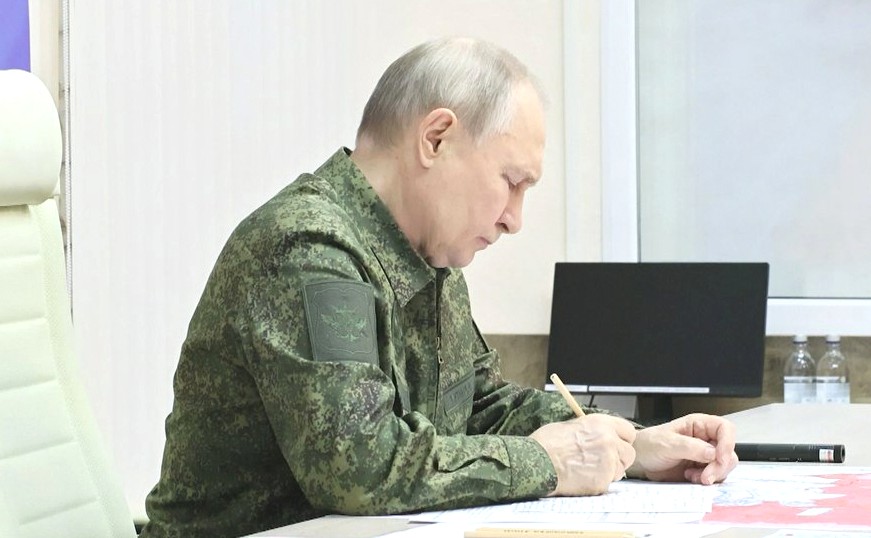
In mid-March, Russia announced it had recovered Sudzha; independent AP reporting corroborated the loss of the town and the erosion of Ukraine’s foothold. On 26 April, General Valery Gerasimov reported completion of the operation to Vladimir Putin. Ukraine’s General Staff said operations were continuing in parts of the region. On 27 April Zelenskyy also claimed a continuing presence in Kursk and Belgorod. Reuters could not independently verify either side’s claims about the exact situation at that moment. The loss of Sudzha and collapse of the main foothold are better established than the date on which all Ukrainian presence ceased. [5] [7] [8]
North Korea made this an international episode
After a South Korean briefing on 28 October 2024, NATO Secretary General Mark Rutte confirmed the deployment of North Korean military units to Kursk. Deployment was not proof of the precise scale or effects of combat on that date. Moscow publicly acknowledged their participation in April 2025 and invoked its treaty with Pyongyang. The multinational sanctions monitoring team later documented the broader cooperation. These records converge on participation, not on exact losses, or on whether that support alone determined the outcome. [7] [10] [11] [14]
Civilians paid a separate cost
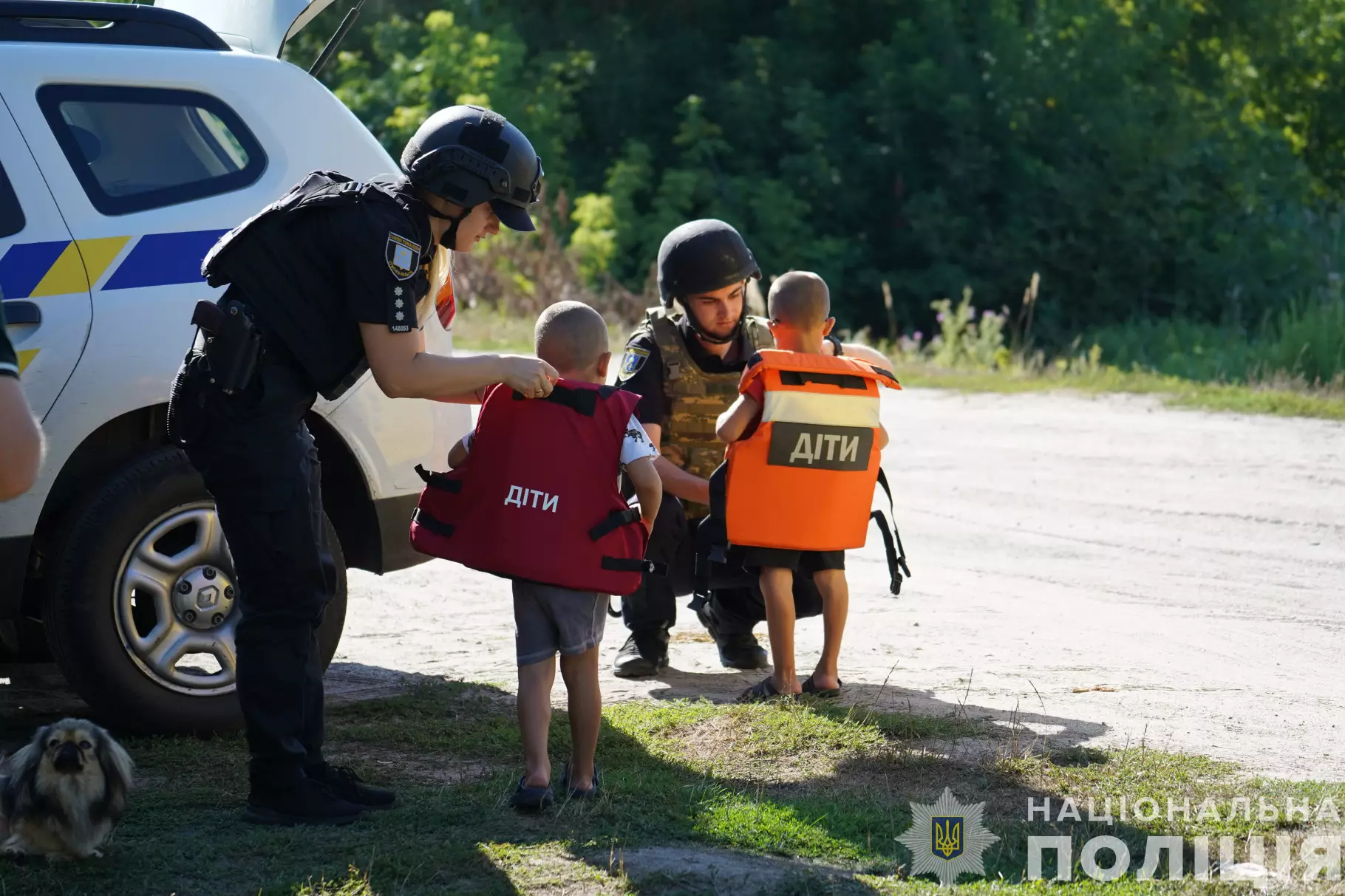
The ICRC documents thousands of families leaving their homes, damage and unresolved searches for missing relatives. It says it assisted the repatriation of 104 vulnerable Russian civilians in three operations in November 2024 and March 2025. That is the number assisted in those operations, not the total evacuated, displaced or returned. Neither side’s casualty claims yield a comparable, independently checked total for this campaign. This leaves the political and territorial results more readily assessed than a full balance sheet of human costs. [12]
In its 1 April update the ICRC lists 46 people on 22–23 November 2024, 33 on 3–4 March 2025, and 25 on 28–29 March. It acted as a neutral intermediary after the authorities concerned reached agreement. [12] Separately, ODIHR traces a figure of nearly 150,000 displaced people to regional official Alexei Smirnov on 9 November 2024. It is not an independent count: ODIHR noted the lack of access for independent observers. The estimate concerns displacement, not assisted repatriations. Any overlap is unknown, so the figures cannot be added. [9]
Frequently asked questions
When did it start?
On 6 August 2024. [1]
Did Ukraine take the city of Kursk?
No. It held parts of the region, including Sudzha; Kursk is also the name of the separate regional capital. [1] [5] [15]
Did Kyiv get territory back in a swap?
The proposal was conditional and rejected; no such exchange is documented in the period. [6] [16]
Did North Korean troops take part?
Yes; deployment and participation are documented, but exact numbers and losses remain uncertain. [7] [10] [11] [14]
Does 104 mean all displaced civilians?
No, it counts vulnerable civilians assisted on three repatriations only. [12]
Sources, licences and limitations
The references distinguish the parties’ statements, independent reporting and institutional documents. Access to a document does not confirm every event it describes.
- Reuters chronology, 12 March 2025
- Presidency of Ukraine, 13 August 2024
- Presidency of Ukraine, 18 August 2024
- Presidency of Ukraine, 27 August 2024
- Associated Press, original March 2025 reporting
- Reuters, 12 February 2025, Guardian interview and Kremlin response
- Reuters, 26 April 2025, opposing claims and verification limit · Syndicated copy consulted
- Presidency of Ukraine, 27 April 2025
- OSCE/ODIHR, Sixth Interim Report, para. 34 and fn. 75 The report cites the regional authorities’ estimate and records the lack of independent access.
- NATO, 28 October 2024, as-delivered transcript Official transcript. It records the deployment announcement; it does not quantify fighting or losses.
- Russian president statement, 28 April 2025; reproduced by GlobalSecurity, not original host A party’s statement cited through a reproduction. The Kremlin original and the copy were not reopened during integration.
- ICRC firsthand humanitarian response, Kursk Firsthand ICRC document about the operations it assisted. The total covers only the three dates listed.
- Presidency of Ukraine, 3 April 2025
- Multilateral Sanctions Monitoring Team participating states, 30 May 2025 Official joint statement. It summarises the report and notes that the team brings together information from participating states and open sources.
- Hromadske, reporting from Sudzha on 14 August, published 15 August 2024
- The Guardian interview newsroom summary, 11–12 February 2025