
Niger: the ambush on the road to Téra, the local death toll and a region under pressure
A journey to the weekly market turned into a deadly attack, according to local witnesses interviewed by AFP. The reported location is the route between Tillim and Téra in western Niger; the date given is 12 November. Before turning the account into a definitive toll, however, it is necessary to distinguish the people killed, the role of members of the escort and what is known about the attackers. [1]
In brief. AFP’s sources report at least 37 deaths; one updates the total to 38. Our newsroom has not independently verified that figure. The dispatch does not identify the assailants and includes self-defence group members in the count: we therefore do not describe all the victims as “38 confirmed civilian deaths”.
The number changes, but the source remains visible
The 13 November dispatch, read in full in its TV5MONDE republication, cites a former local elected official: 37 people reportedly died at the scene and another the following day. His count includes eleven members of the self-defence escort. A Téra resident, meanwhile, reports 37 deaths. [1]
The two figures might reflect different stages of an update, but that possibility is insufficient to reconcile them. Named lists, hospital records and independent verification are missing. The most cautious description is therefore an attributed local toll, not a newsroom-certified figure. The lack of an identification of the attackers also prevents assigning the incident to a group simply because it operates in the region.
Frequently asked questions
What is known about the ambush on the road to Téra?
In brief. AFP’s sources report at least 37 deaths; one updates the total to 38. Our newsroom has not independently verified that figure. The dispatch does not identify the assailants and includes self-defence group members in the count: we therefore do not describe all the victims as “38 confirmed civilian deaths”.
What remains unverified about the ambush on the road to Téra?
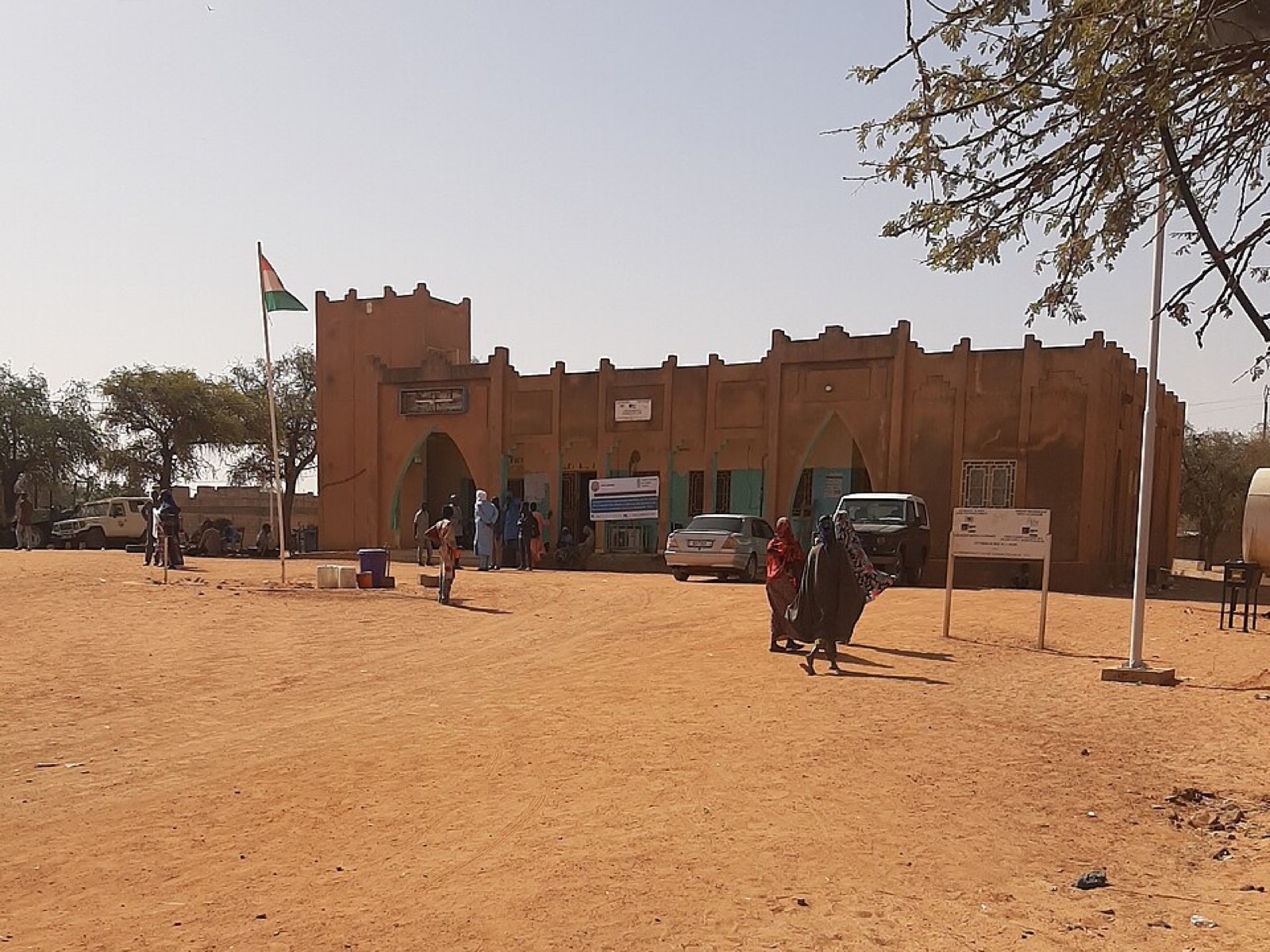
The AFP dispatch on TV5MONDE was opened: a former elected official reports 37 immediate deaths and one on 13 November, a resident 37. The count includes 11 self-defence members: not '38 confirmed civilians'. This source leaves attackers unidentified. Yahoo and RFI were inaccessible during rechecking; AFP republications are one chain. TV5's photograph is archival, 6 November 2021.
Where do the death tolls of 37 and 38 come from?
The 13 November dispatch, read in full in its TV5MONDE republication, cites a former local elected official: 37 people reportedly died at the scene and another the following day. His count includes eleven members of the self-defence escort. A Téra resident, meanwhile, reports 37 deaths. [1]
Why Téra is exposed
The context does not begin with the latest attack. In its analysis published in January, ACLED describes Tillabéri as the central Sahel region with the highest number of recorded conflict fatalities in 2025, more than 1,200. Within it, Téra department was particularly affected; the monitoring highlights cross-border movements and the formation of local militias. [2]
This is an annual, regional figure. It is not the toll for 2026 and does not establish who carried out November’s ambush. Instead, it places the market road within a wider network of insecurity: links between settlements are not merely logistical details, but a condition for working, selling produce and reaching services.
ACLED’s analysis attributes regional violence to several actors, including armed groups and state forces. That multiplicity is precisely why naming the most frequent actor is insufficient to identify the perpetrator of an individual crime. [2]
Insecurity’s cost extends beyond the day of the attack
ACAPS’s 12 March 2026 report examines the effects of violence in western Niger on civilian movement, services and humanitarian conditions. It describes barriers to reaching markets and farmland, alongside difficulties gathering information from remote areas. The analysis focuses on 2025 data and dynamics, not the Tillim incident. [3]
That distinction preserves the document’s meaning. We can use it to explain which issues require examination after an attack on a trading route; we cannot use it to announce that the market is now closed, all families have fled or aid has stopped because of this particular ambush. Those are possible consequences to investigate, not established facts.
ACAPS also warns that limited access and uneven coverage can produce underestimates and gaps. Its report draws, among other sources, on ACLED information: the two documents are not wholly independent collections of every figure they contain. [3]
The next verification step
Clarifying this story first requires a hospital or local-authority update on the toll and verifiable information on the composition of the group attacked. Attributing responsibility requires evidence about the incident, not a geographical inference. The priority is not finding the highest figure for the headline: it is making the reporting traceable.
Traffic light: amber. Claim: “An ambush caused numerous deaths among people travelling towards Téra.” The account is supported by AFP’s local sources, without independent verification of the total. The perpetrators are not identified in the source reviewed; the final figure and the status of all the victims remain unresolved.
Sources [1] AFP via TV5MONDE, 13 November 2026: https://information.tv5monde.com/afrique/niger-au-moins-37-civils-tues-par-des-hommes-armes-dans-louest-2845749
[2] ACLED, Africa Overview January 2026, Niger section: https://acleddata.com/update/africa-overview-january-2026
[3] ACAPS, Violence against civilians in western regions, 12 March 2026, pp. 1–3: https://www.acaps.org/fileadmin/Data_Product/Main_media/20260312_ACAPS_Niger_-_Violence_against_civilians_in_western_regions_.pdf
Corrections: the toll and affiliations remain attributed.