
Explosion on a Russian ship in the Gulf of Finland: what we know about the Naro-Fominsk
Finnish and Estonian accounts add to Ukraine's claim of responsibility. The evidence for an attack is growing, but damage, casualties and the ship's final condition remain without public independent verification.
At a glance
Estonian authorities reported an explosion on a Russian warship in the Gulf of Finland; a senior Finnish official told Yle that an attack had been detected near Gogland. Ukraine's SBU claims it struck the Naro-Fominsk. A subsequent Estonian briefing reported multiple impacts and casualties, without releasing the documentation needed to independently establish their extent. [1–3]
Frequently asked questions
What was reported in the Gulf of Finland?
Estonian authorities reported an explosion on a Russian warship in the Gulf of Finland; a senior Finnish official told Yle that an attack had been detected near Gogland. Ukraine's SBU claims it struck the Naro-Fominsk. A subsequent Estonian briefing reported multiple impacts and casualties, without releasing the documentation needed to independently establish their extent. [1–3]
Are the ship’s damage and casualties established?
No. Estonian authorities reported an explosion, and a later briefing mentioned multiple impacts and casualties. The SBU claimed the attack on the Naro-Fominsk. Those statements do not provide the documentation needed to independently verify the extent of the damage or a precise casualty toll.
Why does the incident also concern Finland?
The Gulf of Finland brings this incident close to the security concerns of the coastal states. In its article, Yle links the night of the attacks to temporary restrictions Finland imposed in an eastern maritime and airspace area. The outlet describes them as precautionary. This shows a security response; it does not establish that Finland participated in the Ukrainian operation. [1]
From the explosion to the claim of responsibility
A ship giving off smoke and heading towards St Petersburg: that was the first concrete detail Martin Herem gave ERR about the incident at dawn on 11 November. The observation indicated that something had happened aboard, but did not yet establish its cause. In the initial statement reported by the Estonian outlet, Herem did not confirm whether this was a Ukrainian operation or an accident. [2]
That caution does not make the subsequent claim of responsibility irrelevant. It does, however, prevent us from presenting the first account as though it had already established every detail. According to ERR, the SBU identified the target as the Naro-Fominsk, a Buyan-M-class vessel, as part of an operation against Baltic Fleet infrastructure. The extent of the damage remained undetermined in the initial material. [2]
The following day, Yle reported confirmation from a senior Finnish official: Finland had detected an attack near the Russian island of Gogland, known in Finnish as Suursaari. This is evidence separate from Kyiv's claim alone. It is not, however, a public report documenting the number of impacts, the crew's condition or the attacker's identity through evidence available for examination. [1]
What the Estonian briefing adds
On 13 November, Colonel Aron Kalmus provided a more detailed account in the briefing covered by ERR. He described repeated drone impacts, damage to the ship, deaths and injuries. According to his account, the vessel initially continued towards St Petersburg under its own power, before stopping and receiving assistance from another ship. [3]
This information therefore does not come solely from an anonymous social media channel. It is attributed to a named officer at an identifiable public briefing. Kalmus nevertheless avoided describing in detail what Estonian forces had observed. The report does not allow SINE VELO to establish a verified casualty toll or an independent technical assessment of the damage. [3]
Here, wording changes the meaning of the news. Saying that an officer reports casualties is supported by the source. Saying that a specific number of sailors died would require further evidence that we do not have. Similarly, a ship assisted after an attack cannot automatically be described as destroyed or permanently out of service.
Why the location matters
The Gulf of Finland brings this incident close to the security concerns of the coastal states. In its article, Yle links the night of the attacks to temporary restrictions Finland imposed in an eastern maritime and airspace area. The outlet describes them as precautionary. This shows a security response; it does not establish that Finland participated in the Ukrainian operation. [1]
Kalmus also described attention to the risk of the incident spreading, explaining Estonia's caution concerning drones near its border. This is a separate aspect of the story: establishing the attack on the ship and reconstructing neighbouring countries' conduct require different evidence. They must not be merged into a single narrative of military involvement. [3]
The evidence still missing
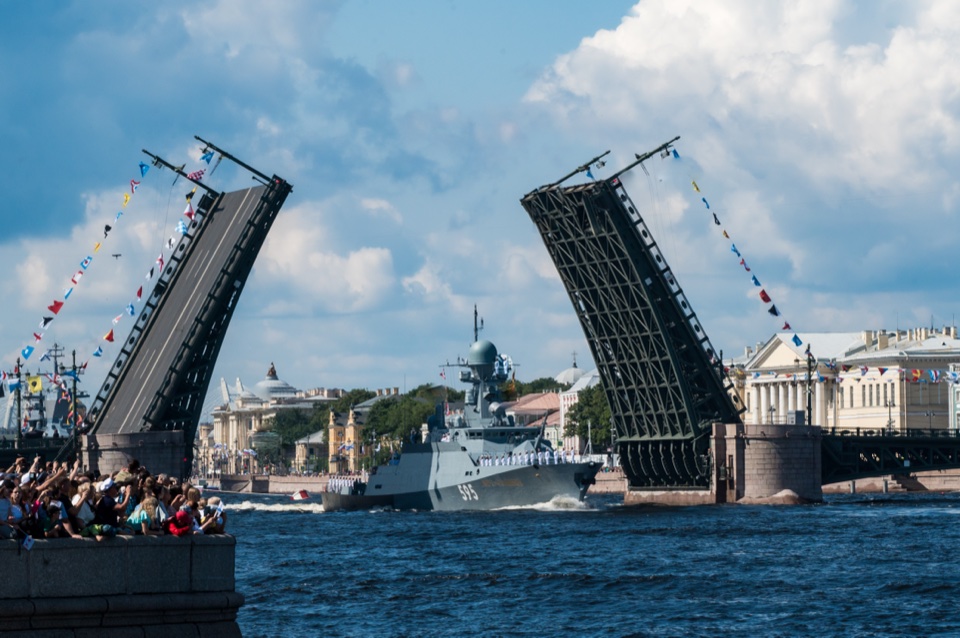
The original SBU Telegram post No. 19036 was read in the 15 November 2026 recheck. It claims a strike on Naro-Fominsk as part of the Ust-Luga operation; this is a statement by the Ukrainian side, not independent verification of damage or casualties. No original geolocated images of the impact or technical examination of the ship have been obtained. The illustrative photograph in the initial ERR article is no substitute for that evidence. [1–2, 4]
The strongest conclusion is therefore a graduated one: there are separate accounts supporting the occurrence of the incident; the later Estonian report strengthens the account of an attack causing damage, but does not settle questions about its outcome. A useful update will need to add new evidence, rather than simply repeat the same statement again.
Traffic light: yellow. Finnish and Estonian accounts support the incident in addition to Ukraine's claim. The casualty toll, final extent of damage and full operational details remain independently unverified.