
News
Gaza: sewage near tents adds to risks for displaced families
Families interviewed by WAFA in Gaza describe digging cesspits next to tents where sewers no longer work. Before November’s heavy rains, 45% of households assessed in a WASH survey reported sewage or sludge within ten metres of their shelters, according to OCHA. The figure applies to the survey sample.
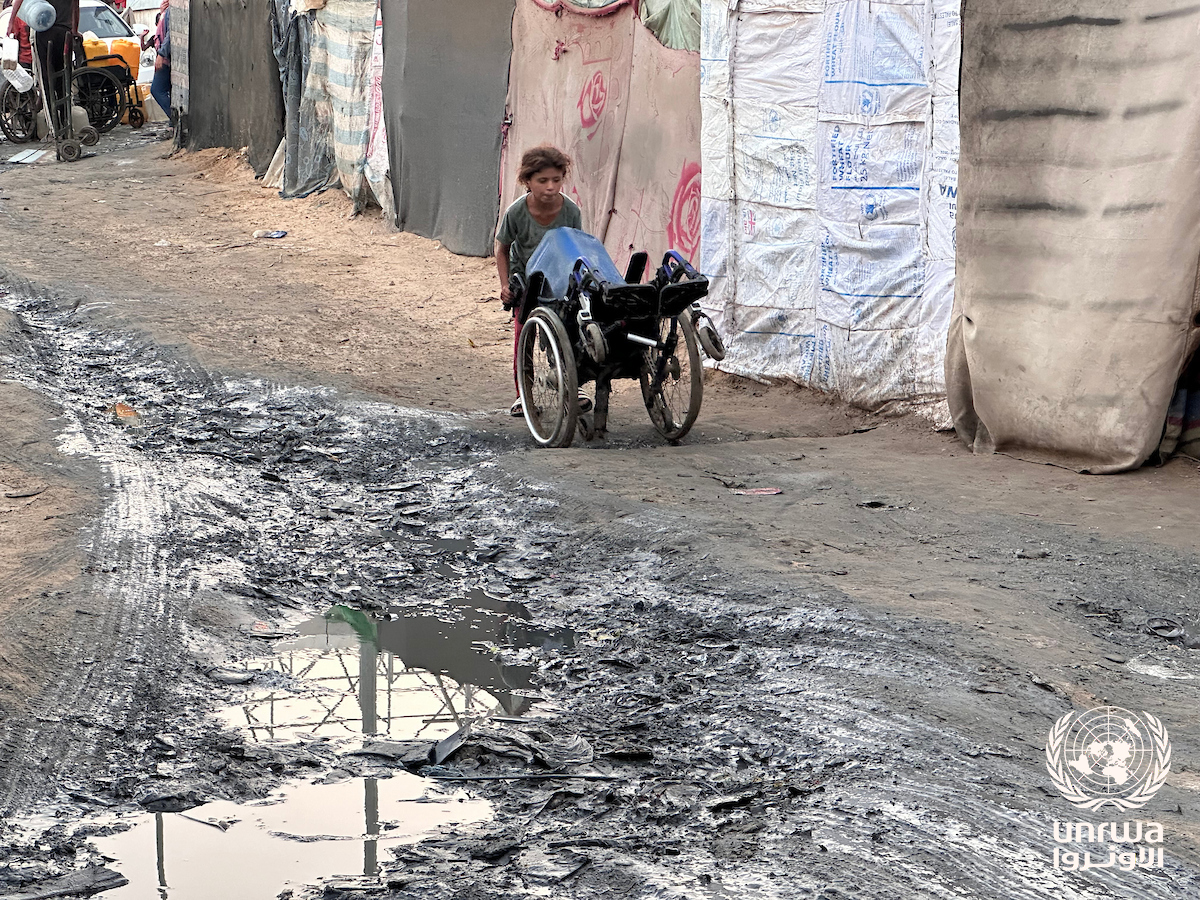
Strong evidence
OCHA reports that 45% of households in the October WASH sample reported sewage or sludge within ten metres of their shelter. [2]The figure and distance are explicit in the UN report. It refers to the sample before the rains. The full survey PDF was not readable at the linked page. [2]
In brief
Families interviewed by WAFA in Gaza describe digging cesspits next to tents where sewers no longer work. Before November’s heavy rains, 45% of households assessed in a WASH survey reported sewage or sludge within ten metres of their shelters, according to OCHA. The figure applies to the survey sample. [1] [2]
What families report
In its 22 November report, WAFA interviewed Mahmoud Abdel Nabi. He said his family digs new pits when the old ones fill because they cannot afford a tanker to empty them. Another interviewee, Maher Barhoum, described the danger of falling into poorly covered pits near tents. These are direct accounts of living conditions and risks. They do not establish a health or accident toll. [1]
What the UN figure measures
In its 18 November report, OCHA says 45% of households assessed by the Water, Sanitation and Hygiene Cluster in October reported sewage or sludge within ten metres of their shelters. Twenty-eight per cent reported solid waste piles nearby. The survey predates November’s heaviest rains. It describes the households assessed and does not establish how many people are exposed today. In a separate measure, UNICEF reports that more than 130 kilometres of sewage pipes in Gaza have been damaged since October 2023. [2] [3]
Health risks and what remains open
At a 13 November briefing, WHO warned that flooding, overflowing sewage and overcrowding could increase the risk of respiratory infections and waterborne diseases. OCHA records efforts such as clearing drainage and sewage systems at some sites. This supports the broader picture of vulnerability, without verifying individual cases described by WAFA. The current extent of exposure, the number of accidents and diagnoses attributable to these conditions remain open. [4] [2]
Frequently asked questions
Does the 45% apply to all households in Gaza?
No. It is the share of households assessed in October that reported sewage or sludge within ten metres of their shelters, as reported by OCHA. [2]
Did WHO confirm that the pits caused particular illnesses?
WHO warned that flooding and overflowing sewage could increase health risks. Its warning does not establish individual diagnoses or the number of illnesses caused by the pits. [4]
Source register
WAFA · Hussein Sinwar · 22.11.2026 · EN
- A
- Opened Hussein Sinwar’s original WAFA report of 22 November. Read the accounts from Mahmoud Abdel Nabi and Maher Barhoum.
- B
- Supports the attributed accounts of cesspits and hazards near tents. It provides no population measure or clinical verification of individual cases.
OCHA oPt · Humanitarian Situation Report, 18.11.2026 · EN
- A
- Opened OCHA’s 18 November report, published on 20 November, at the flooding and sanitation section. The original WASH PDF link showed a sign-in screen and no PDF text.
- B
- OCHA reports 45% and 28% of households assessed in October. These are responses from a pre-rain sample, not an updated measure for all Gaza.
UNICEF · Water Under Fire · 05.11.2026 · EN
- A
- Opened UNICEF’s 5 November release and read the passage on sewage pipes in Gaza.
- B
- Supports UNICEF’s reported figure of more than 130 kilometres damaged since October 2023. This is a different measure from sewage near tents.
UN Geneva / WHO · 13.11.2026 · EN
- A
- Opened UN Geneva’s original briefing record of 13 November, at the Gaza section with WHO’s remarks.
- B
- Describes health risks from flooding, sewage and shelter conditions. Does not establish individual clinical causation.
Ashraf Amra / UNRWA · Wikimedia Commons · CC BY-SA 3.0 IGO
- A
- Opened the file record with confirmed Wikimedia permission and inspected the 1,200×900 file. Ashraf Amra / UNRWA, 20 August 2024, CC BY-SA 3.0 IGO. Original used without changes. CC BY-SA 3.0 IGO.
- B
- Documents an archive scene in Deir el-Balah. Does not show the places or incidents described in November 2026.
