Reporting · Strong evidence
Colombia: Indepaz records 45 leaders killed in El Tigre’s first hundred days
AI-assisted text and research. Actual A/B checks and their limits are documented in the sources. Translation draft from Italian; not independently revised.
In brief
Indepaz records 45 social leaders and human rights defenders killed between 7 August and 15 November 2026, during the first hundred days of President Abelardo de la Espriella, known as “El Tigre”. The tally does not by itself establish who ordered the killings or a causal link to the new government’s decisions. [1] [3]
Frequently asked questions
Did we verify individual cases?
No: we report the NGO’s monitoring. [1]
Which Putumayo figure applies?
We do not choose between conflicting figures. [1]
Does the period establish causation?
No: timing alone does not establish causation. [1]
The positions: Indepaz’s warning and the government’s claims
Indepaz warns of human rights risks, pointing to older territorial dynamics and the state’s protection duty. Coincidence with a presidential term does not establish causation. Criminal responsibility for a killing and institutions’ ability to prevent foreseeable violence are separate questions. [1]
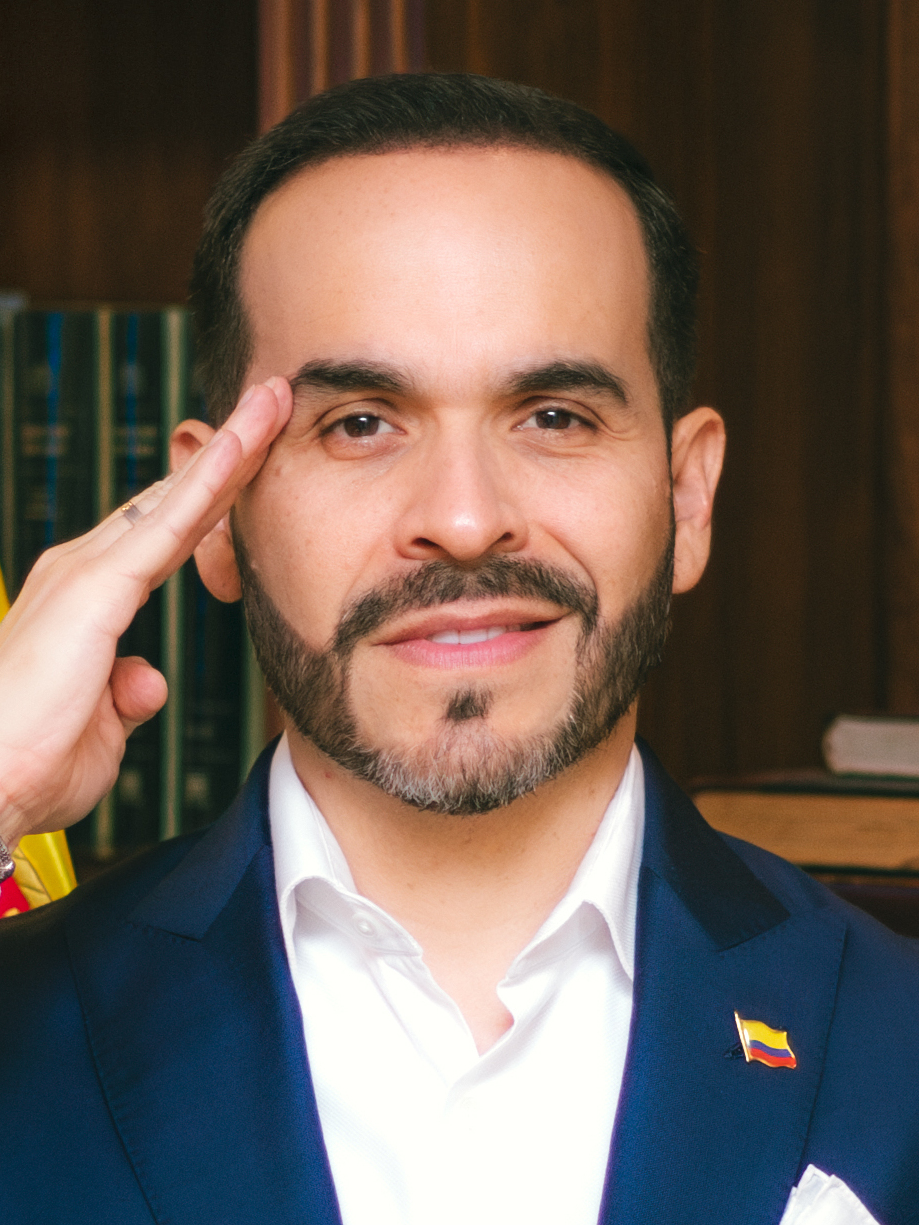
In his 15 November address, De la Espriella claims arrests and operations against armed and criminal groups as achievements of his security policy. This is the government’s documented position, not our independent verification of results or a specific response to Indepaz. Arrests, operations and effective protection of people at risk measure different things: success in the first area does not automatically resolve the second. [2]
The Senate dates his inauguration to 7 August. Le Monde describes the president as far right and reports support from Donald Trump and Marco Rubio. That political context identifies the administration; it does not establish a motive or responsibility in any of the killings. [3] [4]
Who is counted, and what “social leader” means
The victims include 36 men and nine women; seven were Indigenous leaders. Social leader does not necessarily mean an elected officeholder: it can also describe local representatives who bring a village’s or neighbourhood’s concerns to authorities and mediate disputes. We have not individually verified every victim’s biography here. [1]
At least three questions must be separated: did the person represent a community or defend rights? Was the killing linked to that work? Who carried it out or ordered it? Inclusion in a monitoring register does not settle all three. Losing a community representative may also affect collective participation beyond the bereaved family: this is the protection dimension discussed by the Ombudsman’s Office, the Defensoría. [1] [8]
Putumayo: conflicting figures
Cauca: 11 killings; Antioquia: eight. Putumayo: four in the prose, five in the chart. We retain both statements rather than choosing the apparently more plausible one or silently correcting the source. Clarification from the organisation is needed to establish which presentation requires correction. [1]
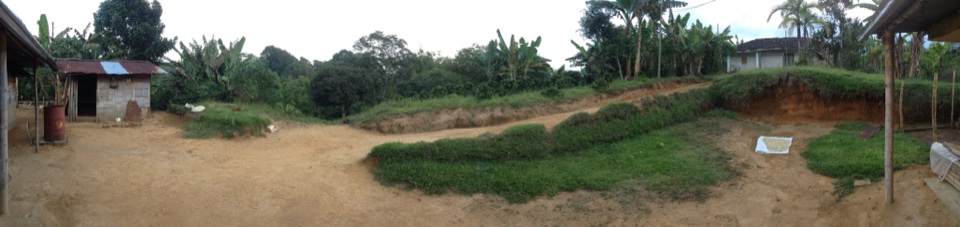
Geographic distribution indicates where to investigate further; it does not automatically identify a perpetrating group. The Defensoría explicitly cautions against inferring causation from territorial distribution alone. The archive photograph of Cauca on this page provides geographic context; it neither locates individual killings nor documents the 2026 incidents. [8] [5]
Former combatants, massacres and overlapping categories
For the same period, the NGO records eight former FARC signatories of the 2016 agreement killed, and 26 massacres: 87 victims, five minors. These are different monitoring categories. We do not add them to the 45 leaders as if every person were distinct: the examined material does not rule out overlap. [1]
In 44 of 45 cases, the NGO identifies no presumed perpetrator. That does not mean there is no investigation, that investigators have no leads, or that permanent impunity has been established. It means this monitoring record provides no usable specific attribution. It also does not assign all the killings to one armed actor or a single strategy. [1]
Why a UN report is not a second confirmation of the same 45 cases
OHCHR report A/HRC/61/20 concerns the whole of 2025, not the hundred-day period in 2026. Paragraph 35 separates 207 allegations into 99 cases in which both defender status and a work-related motive were verified, 39 defender victims without an established causal link to their work, and 69 inconclusive cases. This is an important methodological distinction, not an alternative tally directly comparable to Indepaz’s. [7]
The time windows, criteria and verification status differ. We therefore do not use the UN report to certify these same 45 deaths, or count UN material cited in another document as a new independent acquisition. The comparison illustrates which evidentiary steps are needed before an allegation becomes a conclusion about motive. [7]
Collective protection: beyond a bodyguard or announcement
In its November 2026 report on ten years of the peace agreement, the Defensoría examines protection as the practical ability to exercise leadership in a territory. Section 2.3 links risks to armed fragmentation, illicit economies and criminal control over communities. A response also requires collective protection and lasting institutional presence, beyond individual security equipment. [8]
Drafting a plan, adopting a measure and implementing it are different stages. The document helps formulate testable questions about protection; it does not establish that every measure failed or a particular omission caused each killing. Its historical series end in June 2026 and must not be transferred to the government inaugurated in August. Relevant passages were checked, rather than the entire lengthy report exhaustively audited. [8]
A limited assessment and what remains unresolved
Examining a document and reconstructing each killing require different levels of evidence. Independent verification of cases, motives and responsibility remains incomplete here. Green has a documentary scope: it is not a verdict on the whole situation, a judgment against the president or certification of every entry. [1]
The assessment can change with corrections to the tally, judicial records, case-level corroboration and evidence about implementation of protection measures. Putumayo and individual responsibility remain unresolved. The update shown here is editorial and should not be read as a new event on the ground. [1] [2] [8]
Source register
The A/B results come from the research and rechecks documented in each source entry. The notes explain what remains open.
-
Indepaz · 100 días: el costo humano de la violencia · Indepaz ·
- A · Source identity and provenance
- Original consulted
Original PDF read; chart and text compared.
- B · What the source substantiates
- Limited evidentiary support
Attributed count; individual cases not rechecked.
-
Presidencia de Colombia · Alocución · 15/11/2026 · Presidencia de Colombia · Alocución · 15/11/2026 ·
- A · Source identity and provenance
- Original consulted
Original 15 November address read in the browser, security section. Earlier empty HTTP response retained as a separate failure.
- B · What the source substantiates
- Attributed statement
Documents presidential claims; does not verify operational outcomes or a specific response to Indepaz.
-
Senado de Colombia · Posesión · 07/08/2026 · Senado de Colombia · Posesión · 07/08/2026 ·
- A · Source identity and provenance
- Reporting consulted
Institutional Senate page read through a web tool; direct TLS attempt failed.
- B · What the source substantiates
- Limited evidentiary support
Supports inauguration date, not counts or causation.
-
Le Monde · Marie Delcas · 22/06/2026 · Le Monde · Marie Delcas · 22/06/2026 ·
- A · Source identity and provenance
- Reporting consulted
Le Monde report of 22 June opened through a web tool.
- B · What the source substantiates
- Attributed statement
Supports attributed political context and US support, not the homicide figures.
-
Cajibío Turismo Rural 06.jpg · Tefita228 · Wikimedia Commons · CC BY-SA 4.0
- A · Source identity and provenance
- Original consulted
Commons page, creator, attributed date and CC BY-SA 4.0 declaration read; original opened and checked against file dimensions and hash.
- B · What the source substantiates
- Limited evidentiary support
Geographic context only; date and location not independently authenticated. It does not establish the 2026 killings.
-
Creative Commons Attribution-ShareAlike 4.0 International · Creative Commons
- A · Source identity and provenance
- Original consulted
Official licence text read.
- B · What the source substantiates
- Relevant passage checked
Attribution, source/licence links and changes disclosed; same licence for adapted versions.
-
OHCHR · A/HRC/61/20 · §35 · United Nations / OHCHR ·
- A · Source identity and provenance
- Original consulted
Institutional PDF retrieved on 18 November; cover, p.6 §§33–35 and p.13 §80 read, p.6 visually inspected. Covers 2025; English version, not compared with Spanish.
- B · What the source substantiates
- Limited evidentiary support
Distinguishes allegations, status and motive; does not verify the same 45 cases in 2026. Different periods and criteria. Excombatant figures cite the UN Mission: declared dependency.
-
Defensoría · 10 años del Acuerdo de Paz · Eje 2 · §2.3, pp.32–34 · Defensoría del Pueblo de Colombia
- A · Source identity and provenance
- Original consulted
Original PDF retrieved on 18 November; November 2026 colophon and §2.3, pp.32–34 read. Not an exhaustive audit of the volume.
- B · What the source substantiates
- Limited evidentiary support
Supports collective-protection context and limits of territorial inference. Historical series end in June 2026; OHCHR citations are dependent. Does not confirm the 45 cases.
-
Abelardo de la Espriella · campaign portrait · Abelardo de la Espriella / Defensores de la Patria / Wikimedia Commons
- A · Source identity and provenance
- Original consulted
Commons crop/master pages, public CC0/VRT statement and original file checked on 18 November; image inspected, SHA1 matches. Campaign site 403; private VRT correspondence not inspected.
- B · What the source substantiates
- Limited evidentiary support
Identifies the president through declared provenance, not evidence of killings. Commons 25/05/2026 and EXIF 04/09/2025 differ; capture date not independently established. Photographer unidentified.
-
CC0 1.0 Universal · Creative Commons
- A · Source identity and provenance
- Original consulted
Official CC0 statement read.
- B · What the source substantiates
- Relevant passage checked
Reuse follows the source’s public dedication; no political endorsement implied.

