Reporting
West Bank: UN-led humanitarian team reports over 400 settler attacks linked to the olive harvest
A November 20 appeal counts over 400 attacks since September that caused casualties or damage. Israel’s military cites coordinated harvesting.
Translation not independently reviewed.
In brief
The UN-led humanitarian coordination team in the occupied Palestinian territory is calling on Israel to ensure safe access to olive groves. It reports more than 400 settler attacks linked to the harvest since September 2026 that caused casualties or property damage. The Israeli military says it secured more than 150 coordinated harvest events. [1] [3]
What the count measures
The figure is cumulative from September. It covers harvest-related incidents that caused casualties or property damage. The team reports damage to more than 4,000 trees or saplings and more than 25,000 kilograms of produce damaged or stolen. These measures track different things, and the statement does not list each incident. [1]
OCHA’s report for November 10–16 records 15 attacks linked to the harvest and 12 Palestinians injured in that context. The 15 belong to the season’s tally. The report describes cases including farmers removed from groves at Al Mughayyer despite coordinated access for that day. [2]
Access to land and Israel’s response
The humanitarian team describes permits, cancelled days and denied access, especially near settlements and behind the Barrier. It estimates that 80,000 to 100,000 Palestinian families in the West Bank depend on olives and olive oil for their livelihoods. It calls for safe and sufficient access after harvest too, when the trees need care. [1]
On November 16, the Israeli military said security forces had secured more than 150 coordinated harvest events and that about 90% of coordinated harvests had been completed. It denies deliberately preventing the harvest. Its figures cover activities it calls coordinated and do not say how many requests for access went unauthorised. [3] [4]
Video: a harvest day in Al Mughayyer
Euronews footage from November 5 shows people picking olives and Israeli soldiers present in Al Mughayyer. It documents one day in one village rather than the overall tally of incidents. [6]
What can be compared
The humanitarian team’s figure counts recorded attacks with casualties or damage. The Israeli military’s figure measures completed or protected coordinated activities. The same area could have protected access on some days and no access on others. Each measure describes a different part of the season. [1] [3]
The weekly report and November 20 appeal come from the same UN reporting system. The Times of Israel relays the military’s statements. None of these sources alone provides a complete register of permits and incidents. [2] [4]
Frequently asked questions
What do the more than 400 attacks include?
The humanitarian team counts settler attacks related to the olive harvest since September that caused casualties or property damage. [1]
Does the 90% cover every West Bank olive grove?
The Israeli military figure concerns coordinated harvests. It does not cover every grove or every request for access. [3]
Sources
OCHA / Humanitarian Country Team · 20.11.2026
- A
- Read the humanitarian team’s original appeal, published by OCHA in East Jerusalem on November 20.
- B
- Reports the team’s tally and identifies the period and threshold. It does not provide a case-by-case register.
- A
- Opened OCHA’s November 18 report and read the section covering November 10–16.
- B
- Provides a weekly count and an example of interrupted access. It shares the appeal’s UN reporting lineage.
Israel Defense Forces · 16.11.2026
- A
- Checked the November 16 post from the Israeli military’s official account. The original page shows the figures, and the Israeli report carries the full position.
- B
- Gives the military’s account and a figure limited to coordinated harvests.
The Times of Israel · 16.11.2026
- A
- Read the November 16 Israeli report, which attributes its figures to the military.
- B
- Relays the same account and Civil Administration figure. It is not a second count.
TrickyH / Wikimedia Commons CC BY-SA 4.0 · Orrling / Wikimedia Commons CC BY-SA 3.0
- A
- Checked the Wikimedia file pages, attribution, dates, licences and photographs.
- B
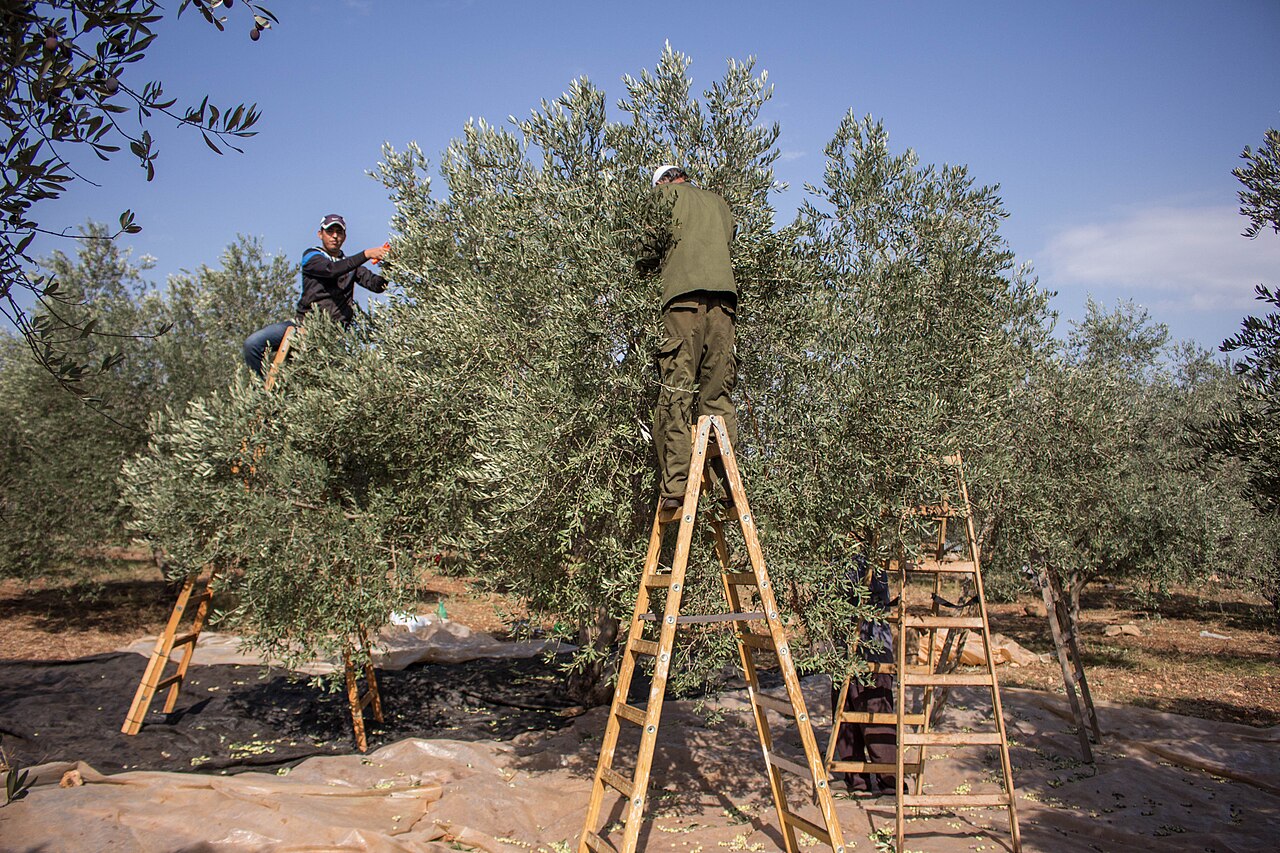
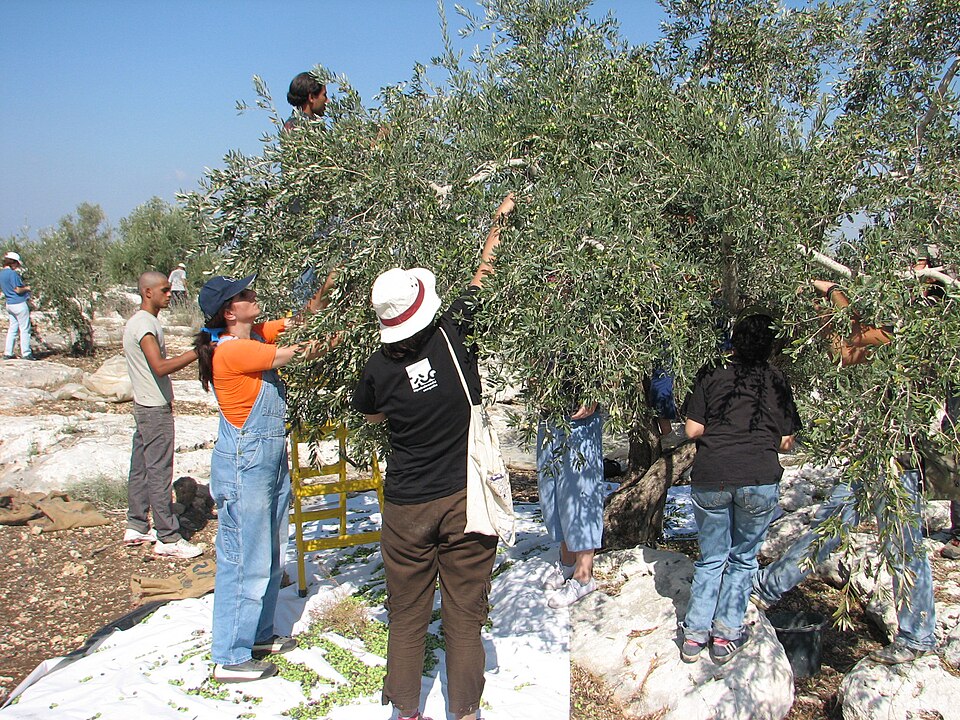
- They show harvesting at two archival locations and dates. They do not show attacks or the November 2026 appeal.
- A
- Read the original story and watched excerpts of the November 5 video.
- B
- Documents harvesting and the military presence at that place and time. It does not count attacks across the season.

