
Armenia and Azerbaijan: TRIPP moves forward in talks, but the route is still to be built
The Dublin meeting, technical groups and Armenian parliamentary vote are separate steps. The question is what has been decided, what is being designed and what is already working.
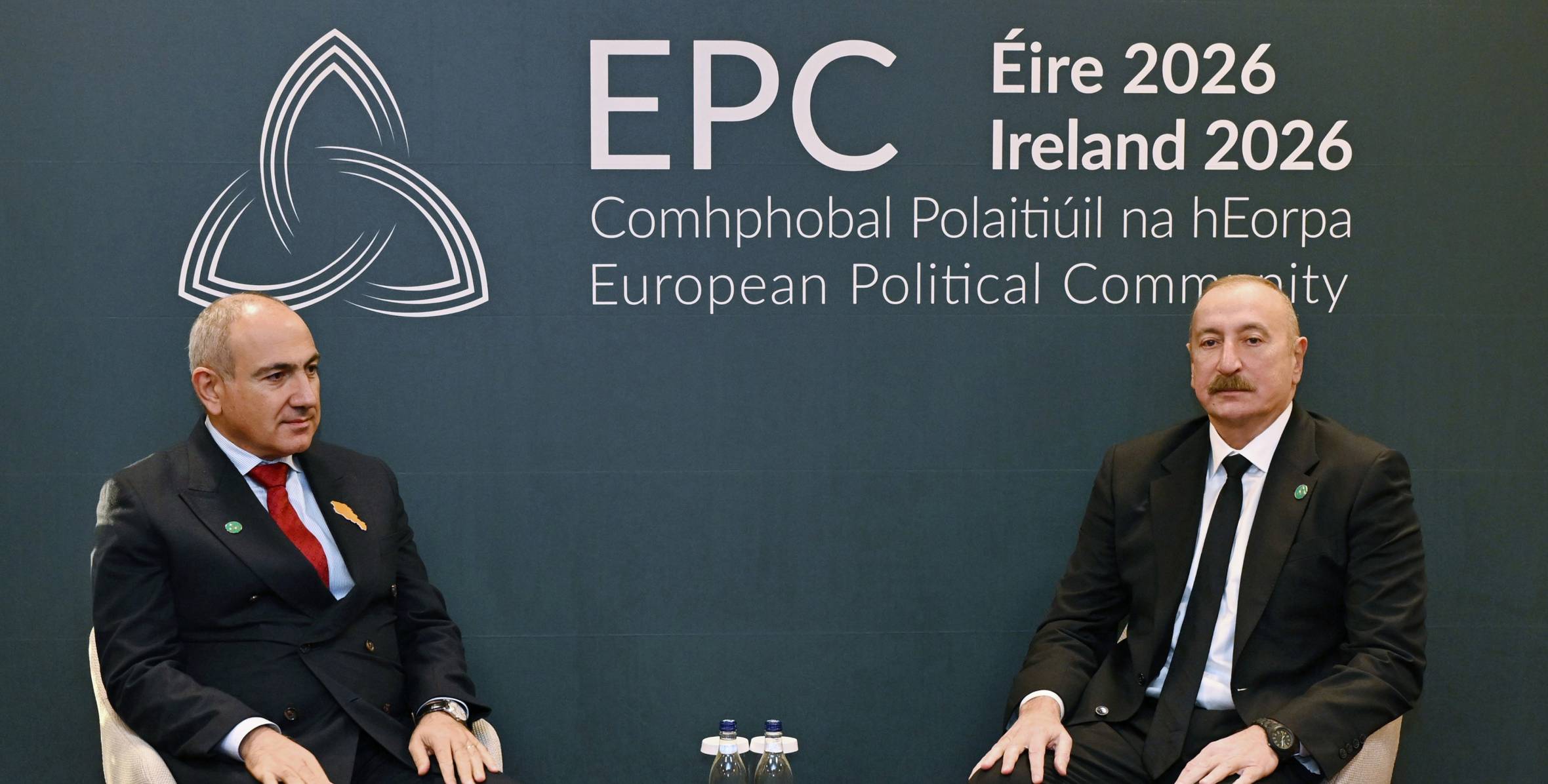
TRIPP meeting and legislative steps documented; operation not established.
At a glance
Pashinyan and Aliyev discussed transport links, trade and borders in Dublin. The United States, Armenia and Azerbaijan have announced technical groups on transport and electricity for TRIPP. These steps document a process moving forward, not the opening of the new infrastructure. The official figure for goods already transported must also be distinguished from the project still being prepared. [1–3]
Frequently asked questions
What is known about the TRIPP project between Armenia and Azerbaijan?
Pashinyan and Aliyev discussed transport links, trade and borders in Dublin. The United States, Armenia and Azerbaijan have announced technical groups on transport and electricity for TRIPP. These steps document a process moving forward, not the opening of the new infrastructure. The official figure for goods already transported must also be distinguished from the project still being prepared. [1–3]
What remains unverified about the TRIPP project between Armenia and Azerbaijan?
Green for documented steps: meeting, technical groups and the vote reported by RFE/RL. Not operational TRIPP or independent verification of declared freight.
What are the technical groups supposed to do?
The joint statement published by Armenia's foreign ministry on 7 November announces two trilateral groups devoted to transport and electricity transmission. The United States, Armenia and Azerbaijan are participating. Their task is to address technical questions and prepare the next phases, including connections with other regional infrastructure. [2]
From statements to practical steps
The rapprochement between Armenia and Azerbaijan is also measured in less spectacular decisions: who designs a connection, under which rules, and how it links to existing infrastructure. This is the ground covered by November's developments around the Trump Route for International Peace and Prosperity, known as TRIPP.
On 12 November, Nikol Pashinyan and Ilham Aliyev met in Dublin on the sidelines of the European Political Community summit. The Armenian statement describes discussions about transport, economic relations, border delimitation and confidence-building measures. On TRIPP, its language concerns planning the railway and road components, not inaugurating them. [1]
That is a substantial distinction. A meeting between leaders can indicate political will and continued dialogue. It does not by itself certify that a route is ready, construction is complete or goods and people can already use a new connection.
What the technical groups will do
The joint statement published by Armenia's foreign ministry on 7 November announces two trilateral groups devoted to transport and electricity transmission. The United States, Armenia and Azerbaijan are participating. Their task is to address technical questions and prepare the next phases, including connections with other regional infrastructure. [2]
Several countries appearing in the same document means the announcement is shared. It does not amount to three independent checks on construction progress. Indeed, the reference to phases still ahead makes clear the nature of the news: the work needed to make the project operational is being organised.
This matters because political agreement on connections does not automatically resolve the practical aspects of transit. Railways, roads and electricity networks have different requirements and need coordination. Creating dedicated groups is consistent with that challenge; their success will have to be judged by results, not simply by the initiative's name or ambitions.
Armenia's vote and the open questions
RFE/RL's Armenian Service reports that parliament approved seven legislative amendments on 12 November to provide a legal framework for companies established under international agreements. The report records 64 votes in favour, none against and the opposition's absence from the session. It should therefore not be described as agreement among all parliamentary groups. [3]
The same report describes TRIPP as a link intended to connect Azerbaijan to its exclave of Nakhchivan through Armenia's Syunik region. It notes opposition criticism about the clarity of reciprocal guarantees for Armenians travelling through Azerbaijan. That is a political issue distinct from the existence of technical groups: progress in preparation does not show that every dispute has been resolved. [3]
SINE VELO has read the report of the vote, not the full legislative text. It therefore attributes the procedural details to the outlet and does not present an independent legal analysis of the amendments.
Existing cargo movements are not the new infrastructure
The statement on the Dublin meeting reports 105,000 tonnes of cargo transported towards Armenia through Azerbaijan since the previous November. The figure describes transit in that direction. It is not a verified total for two-way trade, nor a measure of use of a completed TRIPP route. [1]
The figure remains an official one and has not been checked against independent customs data in this assessment. Its journalistic value is to show that the parties are also discussing actual flows. It does not justify grouping existing trade, preparatory work and future infrastructure under the same label.
How to measure the next advance
Judging progress requires keeping three stages separate: political decisions, technical and legal conditions, and actual operation. Another meeting may advance the first; a law or detailed design the second; the documented opening of a connection the third. Conflating them would make it impossible to understand what has really changed.
Traffic light: green for the announced steps only. The meeting and launch of technical groups are documented. Green does not certify an operational route, a comprehensive agreement without disputes, or an independently audited cargo figure.
Sources
- Armenian prime minister's office, Dublin meeting, 12 November 2026.
- Joint US–Armenia–Azerbaijan statement, published by Armenia's foreign ministry on 7 November 2026.
- RFE/RL Armenian Service, legislative amendments vote, 12 November 2026.
Photograph source
Presidency of Azerbaijan, 12.11.2026. Terms of use: CC BY 4.0. Photographer not named. Responsive resizing and cropping.